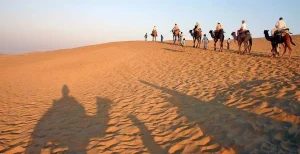
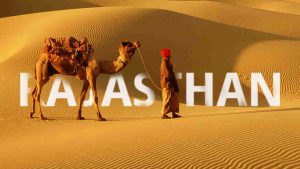
Rajasthan is one of those rare destinations where the timing of your visit doesn’t just affect your comfort — it shapes the entire experience. Visit in January and you’ll find Jaisalmer alive with camel festivals, crisp desert air, and fire-lit camps under a star-thick sky. Come in May and you’re looking at 47°C temperatures and empty guesthouses. Both are Rajasthan. Only one is the version most people dream about.
This guide cuts through the noise. Whether you’re planning your first trip or your fifth, you’ll find clear, honest advice on every season, every major city, and the festivals that make Rajasthan worth the journey in 2026.
The best time to visit Rajasthan is October to March, when temperatures stay between 10°C and 27°C and the state is packed with festivals, desert camps, and cultural events. November to February is the absolute sweet spot. For budget travel, July to September (monsoon) offers the lowest prices but moderate humidity.
Rajasthan Seasons at a Glance
|
Season |
Months |
Temp Range |
Crowds |
Hotel Prices |
Rating |
|
Winter ❄️ |
Oct–Mar |
10°C – 27°C |
High |
Premium |
⭐⭐⭐⭐⭐ |
|
Shoulder 🌤 |
Oct & Mar |
18°C – 33°C |
Moderate |
Mid |
⭐⭐⭐⭐ |
|
Summer 🔥 |
Apr–Jun |
35°C – 47°C |
Very Low |
Budget |
⭐⭐ |
|
Monsoon 🌧 |
Jul–Sep |
28°C – 38°C |
Low |
Low |
⭐⭐⭐ |
October to March — The Best Time to Visit Rajasthan
Winter is the undisputed champion of Rajasthan travel seasons — and for good reason. From late October through March, the desert heat retreats and leaves behind dry, sunny days and crisp evenings that make outdoor exploration genuinely pleasant. You can walk through Amber Fort for two hours without wilting. You can sit on a Jaisalmer dune at sunrise with a cup of chai and not immediately regret your life choices.
Daytime temperatures across most cities hold between 20°C and 27°C. Nights, particularly in December and January in desert towns like Jaisalmer and Bikaner, can drop to 5°C or lower — so pack a proper layer, not just a light shawl.
What makes winter special:
- All major forts, palaces, and heritage sites are fully accessible without heat exhaustion
- Desert safaris — camel, jeep, and horse — run at peak quality in the cool morning and evening air
- Rajasthan’s festival calendar is at its busiest: Pushkar Camel Fair, Jaipur Literature Festival, Desert Festival, Bikaner Camel Festival
- Ranthambore National Park tiger safaris are at their most rewarding — animals are active and visible
- The famous tent camps in Jaisalmer and Sam Sand Dunes are fully operational
Peak season reality check: This is also when hotel prices peak. Heritage hotels and desert camps book out weeks in advance around Christmas, New Year, and major festival dates. Book your Jaisalmer desert camp at least 4–6 weeks ahead during November–January.
November — The Single Best Month in Rajasthan
If you can only choose one month, make it November. The Pushkar Camel Fair (typically late October to mid-November) is one of the world’s great spectacles: 50,000 camels, tribal traders, folk musicians, and a religious fair all colliding on the edge of a sacred lake. The weather is perfect, the festivals are extraordinary, and hotel prices haven’t yet hit their December–January peak.
December–January — Peak Season, Peak Magic
This two-month window is the absolute high point of Rajasthan tourism. Every city is alive with visitors, every sunset terrace in Udaipur is occupied, every desert camp is full. The Jaipur Literature Festival in late January draws over 250,000 attendees — the world’s largest free literary festival. Book everything in advance. Prices are at their highest, but so is the experience.
February–March — Festival Season with Warming Temps
February brings the Desert Festival in Jaisalmer — three days of folk performances, turban-tying competitions, and the famous Mr. Desert contest on Sam Sand Dunes. Holi, which falls in March, transforms Rajasthan’s cities into magnificent explosions of colour. Udaipur’s Holi celebrations are particularly famous for their combination of tradition, music, and bonfire rituals. March temperatures start climbing but remain manageable for most visitors.
July to September — The Underrated Monsoon Season
Monsoon in Rajasthan defies expectations. Unlike most Indian states, Rajasthan receives moderate rainfall — not the torrential downpours of Kerala or the Western Ghats. The average is 25–35 cm annually, arriving in short bursts rather than continuous grey drizzle. What it leaves behind is a Rajasthan that most travellers never see.
Why monsoon is worth considering:
- The Aravalli Hills turn lush and vividly green — Udaipur especially becomes a different city
- Lake Pichola and Fateh Sagar Lake in Udaipur fill and overflow, creating breathtaking reflections of the City Palace
- Jawai, Rajasthan’s secret wildlife gem, is exceptional in monsoon — leopards emerge regularly near rocky hills against a green backdrop
- Bundi — perhaps the most photogenic town in Rajasthan — glows in the rain, its ancient stepwells and painted havelis dripping with atmosphere
- Hotel prices drop 30–50% across the state. Peak-season heritage properties become genuinely affordable
- Fewer crowds at all major monuments
Important note: Ranthambore National Park is closed from July 1 to September 30 for the core safari zones. Some desert camp operators in Jaisalmer also close during heavy monsoon months. Always verify with your accommodation before booking a July–August trip.
April to June — Summer: Challenging but Not Impossible
There is no diplomatic way to say this: Rajasthan in May is brutal. Temperatures in Bikaner, Barmer, and Jaisalmer regularly hit 46–48°C. The Thar Desert becomes actively inhospitable in the early afternoon. This is not the time to stroll through open-air markets or climb to fort ramparts at noon.
That said, summer travel has its own niche value for the right kind of traveller.
Best summer strategies:
- Mount Abu — Rajasthan’s only hill station, sitting at 1,220 metres in the Aravalli Hills — stays 10–15°C cooler than the plains throughout summer. The annual Summer Festival here in May–June is a local favourite
- Kumbhalgarh and Ranakpur: Higher altitude means temperatures stay 5–8°C below the plains, and the imposing Kumbhalgarh Fort is significantly less crowded than in peak season
- Ranthambore safaris run through June before the park closes — this is arguably the best time for tiger sightings as animals concentrate near waterholes
- Explore early mornings (6–10 AM) and late evenings only. Midday is for your hotel pool or air-conditioned haveli
- Heritage hotel rates drop significantly — properties charging ₹8,000 per night in December often fall to ₹3,500 in May
Budget traveller tip: April and early May, before peak summer hits, can offer excellent value at heritage hotels with good deals. Pair it with Mount Abu for a genuinely interesting shoulder-summer experience.
Best Time to Visit Each Rajasthan City
|
City |
Best Months |
Avoid |
What’s Special in Season |
|
Jaipur |
Nov–Feb |
May–Jun |
Jaipur Literature Festival (Jan), Holi (Mar) |
|
Jaisalmer |
Nov–Feb |
Apr–Jun |
Desert Festival (Feb), Sam Sand Dune camps |
|
Udaipur |
Oct–Mar |
May–Jun |
Monsoon (Jul–Sep) for lake beauty & romance |
|
Jodhpur |
Nov–Mar |
May–Jun |
Rajasthan Int’l Folk Festival (Oct) |
|
Pushkar |
Oct–Nov |
Apr–Jun |
Pushkar Camel Fair (Oct/Nov) |
|
Ranthambore |
Oct–Jun |
Jul–Sep (closed) |
Tiger sightings peak in Mar–Jun |
|
Mount Abu |
Year-round |
None |
Summer Festival (May–Jun), cooler all year |
|
Bikaner |
Nov–Feb |
Apr–Jun |
Camel Festival (Jan), Karni Mata temple |
Rajasthan Festival Calendar 2026
|
Festival |
When |
Where |
Why Attend |
|
Pushkar Camel Fair |
Oct–Nov |
Pushkar |
World’s largest camel fair; 50,000 camels |
|
Desert Festival |
February |
Jaisalmer |
Folk music, turban contest, Mr. Desert |
|
Bikaner Camel Festival |
January |
Bikaner |
Camel acrobatics, beauty pageant, parades |
|
Jaipur Literature Festival |
January |
Jaipur |
World’s largest free literary festival |
|
Holi |
March |
Statewide |
Udaipur & Jaipur have India’s best celebrations |
|
Mewar Festival |
March–Apr |
Udaipur |
Processions, traditional dance, royal pageantry |
|
RIFF Folk Festival |
October |
Jodhpur |
International folk music inside Mehrangarh Fort |
|
Teej Festival |
Jul–Aug |
Jaipur/Bundi |
Monsoon swing festival; vibrant and colourful |
How to Plan Your Rajasthan Trip by Travel Style
For First-Time Visitors
- Choose November–January for the most comfortable, full-access experience
- Book desert camps in Jaisalmer and heritage hotels in Udaipur at least 6 weeks in advance
- Build a 7–10 day itinerary: Jaipur (2 nights) → Jodhpur (2 nights) → Jaisalmer (2 nights) → Udaipur (2 nights)
- Pack layers: warm jacket for desert nights, light cottons for daytime
For Budget Travellers
- Target October or March: shoulder season pricing, still-comfortable weather
- Consider monsoon (July–September) for 30–50% lower rates across heritage stays
- Book trains via IRCTC 60–90 days in advance — Rajasthan’s rail network is excellent
For Wildlife Enthusiasts
- Ranthambore: October to June — April–June offers peak tiger sightings near waterholes
- Jawai Leopard Safari: September–October is exceptional with green monsoon backdrop
- Keoladeo Bird Sanctuary (Bharatpur): November to February for migratory birds
Common Mistakes Travellers Make When Timing a Rajasthan Trip
- Arriving without pre-booked desert camps: Top Jaisalmer camps sell out 4–6 weeks ahead in peak season. Don’t leave this to the last minute.
- Underestimating January cold in the desert: Jaisalmer nights in January can drop to 3–5°C. Travellers expecting “desert warmth” are caught off guard. Bring a proper winter jacket.
- Skipping monsoon because it sounds risky: Monsoon is Udaipur’s most romantic season. If budget and flexibility matter to you, July–September is genuinely worth reconsidering.
- Booking Ranthambore in July: The park’s core safari zones close from July 1 to September 30. Check before you book.
- Trying to do Rajasthan in 3 days: The state is India’s largest. A meaningful trip needs at least 7 days. Rushing produces fatigue, not memories.
- Ignoring the shoulder months: October and March are genuinely underrated. Fewer crowds, lower prices, and weather that’s still very manageable.
Every Season Has a Rajasthan for You
There is no single “perfect” time to visit Rajasthan — there is only the perfect time for the trip you want to take. If you want comfortable weather, full cultural access, and the state at its most vibrant, choose November to February and book ahead. If you want a Rajasthan that feels like your own secret — lush, quiet, and 40% cheaper — the monsoon is waiting for you.
Plan your season, pick your cities, and let Rajasthan do the rest. The forts have stood for 600 years. They’ll be ready for you whenever you arrive.
Ready to plan? Browse our curated collection of heritage resorts and palace stays across Rajasthan — from sand dune camps in Jaisalmer to lakeside retreats in Udaipur — and find the perfect base for your trip
Frequently Asked Questions
Q1. What is the best time to visit Rajasthan?
October to March is the best time to visit Rajasthan, with November to February being the peak sweet spot. Daytime temperatures range from 10°C to 27°C, all major sites are accessible, desert safaris run at peak quality, and the state’s biggest festivals — Pushkar Camel Fair, Jaipur Literature Festival, and Desert Festival — all fall within this window.
Q2. Is December a good time to visit Rajasthan?
Yes — December is one of the best months to visit Rajasthan. Days are cool (18–25°C), nights are chilly in desert areas, and the Christmas–New Year period brings a festive atmosphere to cities like Jaipur and Udaipur. Book accommodation at least 4–6 weeks in advance as this is peak season.
Q3. What is Rajasthan like in July and August?
July and August are monsoon months in Rajasthan, with moderate rainfall, temperatures between 28–38°C, and significantly reduced tourist crowds. Hotel prices drop 30–50%. Udaipur and Bundi are particularly beautiful in monsoon. The main drawback is that Ranthambore National Park is closed and some desert activities are limited.
Q4. When is the cheapest time to visit Rajasthan?
April to September (summer and monsoon) offers the lowest prices in Rajasthan. Heritage hotels that cost ₹8,000–15,000 per night in December can drop to ₹3,000–6,000 in May or August. The trade-off is extreme heat in April–June and moderate humidity in July–September.
Q5. What should I pack for a Rajasthan trip in winter?
For a November–February trip, pack light cotton clothes for daytime sightseeing (15–25°C), a warm fleece or jacket for evenings (10–12°C), and a proper winter jacket for desert nights in Jaisalmer or Bikaner, where temperatures can drop to 3–5°C. Sunscreen, sunglasses, and a wide-brimmed hat are essential year-round.
Q6. What is the best month for desert safari in Rajasthan?
November through February is the best time for camel, jeep, and horse safaris in Jaisalmer and the Sam Sand Dunes. The weather is cool, the sand has texture, and sunrise and sunset colours are exceptional. Desert camps operate at full capacity during these months.
Q7. Can I visit Rajasthan in summer (April–June)?
Yes, but with strategy. Temperatures regularly hit 43–47°C in cities like Bikaner and Jaisalmer. Focus on cooler spots: Mount Abu (Rajasthan’s hill station), Kumbhalgarh, and Ranakpur are manageable. Plan all outdoor activities before 10 AM and after 5 PM. Hotel prices are at their lowest, and Ranthambore tiger safaris are excellent before the park closes in July.