In North Goa Explore this destination
Morjim Beach, located in North Goa, is a peaceful and scenic beach known for its serene atmosphere and pristine sands. Often called “Little Russia” due to the large Russian community in the area, Morjim combines tranquility with cultural diversity. The beach is famous for its calm waters, natural beauty, and as a nesting site for Olive Ridley sea turtles, making it a haven for nature lovers and responsible travelers.
Scenic Beauty
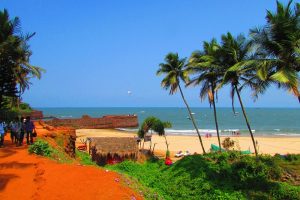
Morjim Beach stretches over 3 kilometers, lined with golden sands, palm trees, and gentle dunes. The calm waters make it ideal for swimming and relaxing. Sunrise and sunset are particularly mesmerizing, with the sky reflecting soft shades over the Arabian Sea. The beach’s natural charm remains intact due to strict regulations against overdevelopment and littering.
The surrounding coastal vegetation and small fishing villages add a rustic charm, making Morjim perfect for travelers who enjoy peace and solitude.
Activities for Visitors
Morjim Beach offers a range of activities suitable for different types of travelers:
- Swimming and Sunbathing: The gentle waves and soft sand create a relaxing environment
- Turtle Watching: From November to March, Olive Ridley turtles nest on the beach, a rare and beautiful sight
- Beach Walks: Long, peaceful walks along the shore are ideal for reflection and photography
- Yoga and Meditation: Several beachfront resorts offer sessions to start your day calmly
- Water Sports: Kayaking and paddleboarding are available, though on a smaller scale compared to busier beaches
The focus here is on eco-friendly tourism and relaxation, making it ideal for travelers seeking calm experiences.
Local Culture and Cuisine
Morjim Beach reflects a blend of Goan and Russian influences. Local markets offer handicrafts, souvenirs, and food items, while shacks serve a mix of Goan, continental, and Russian-inspired cuisine. Seafood is a highlight, with freshly caught fish and prawns served in traditional Goan style. Visitors can also explore the lifestyle of local fishing communities, learning about their traditions and practices.
Nearby Attractions
Visitors to Morjim can explore nearby attractions to enhance their trip:
- Ashwem Beach: A quieter and pristine beach just south of Morjim
- Chapora Fort: Offers panoramic views of the coastline and a touch of history
- Vagator Beach: Known for its scenic cliffs and lively atmosphere
- Local Wildlife: Explore nearby forests and wetlands to spot migratory birds and other wildlife
These nearby spots make Morjim an excellent base for exploring North Goa’s natural and cultural treasures.
Visitor Experience
Morjim Beach is ideal for travelers seeking tranquility and scenic beauty. Its calm waters, fewer crowds, and eco-friendly environment make it perfect for families, couples, and solo travelers. The beach huts, small resorts, and guesthouses provide comfortable accommodation close to the shoreline. Visitors often enjoy early morning walks, sunset photography, and quiet evenings listening to the waves.
Best Time to Visit
The best time to visit Morjim Beach is November to March, when the weather is pleasant and suitable for swimming. Turtle nesting season, during these months, provides a unique wildlife experience. Monsoon season (June to September) brings heavy rains, making outdoor activities challenging.
Travel Tips
- Carry sunscreen, hats, and light clothing for sunny days
- Respect wildlife, especially turtle nesting sites
- Avoid littering and follow eco-friendly practices
- Participate in yoga or meditation for a peaceful experience
- Explore nearby beaches and cultural spots for a complete trip
Conclusion
Morjim Beach is a tranquil and eco-friendly destination in North Goa, offering scenic beauty, calm waters, and unique wildlife experiences. Its golden sands, serene environment, and cultural diversity make it a must-visit for travelers seeking relaxation, nature, and authentic Goan charm. A trip to Morjim Beach promises rejuvenation, breathtaking views, and a connection with nature that lingers long after the journey.