In Jabalpur Explore this destination
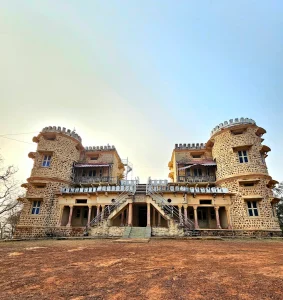
Rani Durgavati Museum is in Jabalpur, Madhya Pradesh. It is a historic museum named after the brave queen Rani Durgavati. People visit to see old artifacts, weapons, coins, sculptures, and understand local history. Families, students, history lovers, and travelers enjoy visiting here.
Unlike crowded places, the museum feels calm, quiet, and educational. Visitors can walk slowly inside halls, observe displays, and read boards about history. Children enjoy looking at weapons, coins, and sculptures. Adults feel peaceful while learning about history and the region’s culture.
Location and How to Reach
Rani Durgavati Museum is in city center of Jabalpur. Roads are mostly good. Visitors can reach by:
- Private car or taxi
- Local bus or auto-rickshaw
- Bike or rental vehicle
Parking is available near museum entrance. Comfortable shoes are recommended because you will walk slowly inside halls and corridors. Carry water and a notebook if you like to take notes.
First Feeling at the Museum
When you enter the museum, the first thing you notice is calm halls, organized displays, and old artifacts. Visitors feel curious and peaceful. Soft lighting, old wooden cases, and artifacts make it feel like stepping into history.
Children enjoy walking slowly, pointing at swords, coins, and old jewelry. Families read boards and discuss artifacts. Solo travelers walk slowly, take notes, sketch, or photograph allowed items. The environment feels educational, calm, and historic.
What You Will See
Visitors can see:
- Ancient weapons like swords, shields, and armor
- Coins from different periods
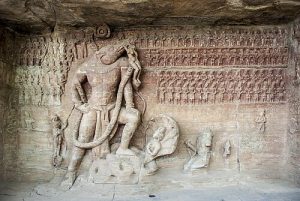
- Sculptures of gods, kings, and local figures
- Old tools, pottery, and household items
- Boards with history of Jabalpur, Rani Durgavati, and local culture
Walking slowly allows visitors to notice details in sculptures, weapons, and artifacts. Photography is allowed in some areas. Visitors can read boards, ask guides about history, and understand stories behind artifacts.
What Visitors Usually Do
Most visitors:
- Walk slowly around halls and exhibits
- Observe sculptures, coins, and weapons closely
- Sit on benches or rest areas to read boards
- Children learn about history and local culture
- Families discuss exhibits and ask questions
Couples enjoy calm and educational experience. Solo travelers take notes, sketch, or photograph exhibits. Visitors can spend hours exploring and learning.
Best Time to Visit
The best time is October to March.
- Winter: cool and calm, comfortable for walking
- Summer: warm, better to visit early morning or late afternoon
- Monsoon: museum is indoors, so visit is safe
Morning visits are quieter and allow calm exploration. Afternoon visits give soft light and fewer crowds.
Things to Keep in Mind
- Wear comfortable shoes
- Carry water and notebook if needed
- Walk slowly and avoid touching artifacts
- Keep children close and safe
- Photography allowed in some areas, check rules
What Kind of Experience to Expect
Rani Durgavati Museum gives calm, educational, and historic experience. Visitors enjoy artifacts, sculptures, coins, and old tools. Families, students, couples, and solo travelers feel peaceful and learn a lot. Children can understand history in simple way.
Conclusion
Rani Durgavati Museum is calm, historic, and educational. Visitors can walk, sit, see artifacts, take photos where allowed, and enjoy learning about history. It is perfect for families, students, couples, and travelers who want slow, peaceful, and historic experience. Spending time here gives knowledge, calm, and connection with Jabalpur’s past and Rani Durgavati’s story.