In Madhya Pradesh Explore this destination
Mangalnath Temple is in Ujjain, Madhya Pradesh. It is an important Hindu temple dedicated to Lord Shiva and is believed to be a place where Mars (Mangal) planet’s influence is strong. People visit to offer prayers, see temple architecture, and experience spiritual and astrological significance. Visitors include families, devotees, students, and travelers who want calm, religious, and educational experience.
Unlike busy city areas, Mangalnath Temple feels calm, sacred, and historic. Visitors can walk slowly inside temple premises, see rituals, and observe devotees. Children enjoy looking at small idols, priests performing aarti, and observing traditions. Adults feel peaceful, spiritual, and connected to Indian culture and astrology.
Location and How to Reach
Mangalnath Temple is near Mahakal Temple and Ram Ghat in Ujjain. Roads are mostly good. Visitors can reach by:
- Private car or taxi
- Local buses or auto-rickshaw
- Nearest railway station: Ujjain Junction
Parking is available near the temple. Comfortable shoes and clothes are recommended because walking on stone steps and crowded areas may be needed. Carry water, small offerings, and dress respectfully.
First Feeling at the Temple
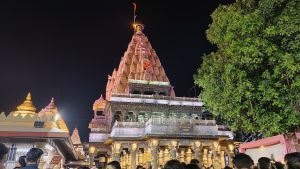
When you reach Mangalnath Temple, the first thing you notice is temple spire, sacred courtyard, and calm environment. Visitors feel spiritual, peaceful, and reflective. The sound of bells, chanting, and devotees creates a sacred atmosphere.
Children enjoy watching small idols, rituals, and offerings. Families participate in prayers, light diyas, and read boards about astrology and temple history. Solo travelers sit quietly, photograph architecture, or meditate. The temple area feels sacred, calm, and historic.
What You Will See
Visitors can see:
- Idol of Lord Shiva
- Ancient stone carvings and temple architecture
- Priests performing rituals and aarti
- Courtyard and small shrines
- Devotees offering flowers, water, and coins
Walking slowly allows visitors to notice temple carvings, details of idols, and rituals. Photography is allowed in most areas; respect rules in sanctum. Visitors can read boards explaining religious and astrological significance.
What Visitors Usually Do
Most visitors:
- Walk slowly in temple premises and courtyard
- Observe or participate in aarti and rituals
- Sit quietly near sanctum or courtyard
- Children observe priests and offerings
- Families offer prayers, light lamps, and read boards
Couples enjoy calm and spiritual environment. Solo travelers meditate, photograph, or quietly observe rituals. Visitors can spend hours walking, observing, and feeling sacred atmosphere.
Best Time to Visit
The best time is October to March.
- Winter: cool and comfortable for walking
- Summer: warm, visit early morning or late evening
- Special days: Tuesdays and Mangal-related festivals attract more devotees
Morning is best for calm and participation in rituals. Evening aarti gives peaceful and photogenic moments.
Things to Keep in Mind
- Wear comfortable and respectful clothes
- Carry water and small offerings
- Walk carefully in crowded areas
- Keep children close and safe
- Follow temple rules and photography restrictions
What Kind of Experience to Expect
Mangalnath Temple gives calm, spiritual, and historic experience. Visitors enjoy rituals, architecture, and sacred surroundings. Families, students, couples, and solo travelers feel peaceful. Children learn about religion, culture, and astrology. Visitors can walk, sit, photograph, and enjoy calm environment.
Conclusion
Mangalnath Temple is historic, sacred, and peaceful. Visitors can walk, sit, offer prayers, see rituals, and enjoy spiritual surroundings. Perfect for families, devotees, students, and travelers who want slow, spiritual, and educational experience. Spending time here gives calm, knowledge, and connection with Indian religious heritage and astrology.