In Pune Explore this destination
Jejuri Khandoba Temple is in Pune district, Maharashtra. It is a famous hill temple dedicated to Lord Khandoba, a form of Shiva. People visit to see religious rituals, colorful festivals, and panoramic hill views. Visitors include families, devotees, travelers, and photographers who want spiritual, cultural, and scenic experience.
Unlike city temples, Jejuri Temple feels lively, sacred, and vibrant. Visitors can walk slowly around temple complex, see rituals, and explore smaller shrines. Children enjoy climbing steps, watching ceremonies, and exploring open areas. Adults feel peaceful, inspired, and connected to tradition and nature.
Location and How to Reach
Jejuri Temple is about 50 kilometers from Pune. Visitors can reach by:
- Private car or taxi
- Bus to nearby town, then short walk or auto-rickshaw
- Trek from nearby base for adventure travelers
Parking is available at temple base. Comfortable shoes are necessary because visitors climb hundreds of steps to reach the main temple. Carry water, hat, camera, and snacks.
First Feeling at the Temple
When you reach Jejuri, the first thing you notice is steep steps covered in red powder, small shops along the way, and temple on hilltop. Visitors feel excited, colorful, and spiritual. Sound of bells, chants, and drums creates lively sacred atmosphere.
Children enjoy climbing steps, playing with flowers, and exploring small shrines. Families walk slowly, take photos, and enjoy panoramic hills. Solo travelers feel calm, observe rituals, and admire hill scenery. Temple feels sacred, lively, and historic.
What You Will See
Visitors can see:
- Main Khandoba idol decorated with flowers and turmeric
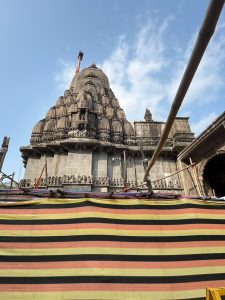
- Temple complex with smaller shrines and halls
- Devotees offering prayers, flowers, and turmeric powder
- Panoramic hills, valley views, and small paths around temple
Walking slowly allows visitors to notice colorful powder, carvings, and details of shrines. Photography is allowed outside main sanctum. Visitors can sit near temple walls, enjoy breeze, and watch rituals.
What Visitors Usually Do
Most visitors:
- Climb slowly to reach temple top
- Observe rituals, offerings, and local ceremonies
- Take photographs of temple, devotees, and hill views
- Children enjoy steps, open areas, and observing ceremonies
- Families participate in prayers, enjoy panoramic view, and explore surroundings
During festivals like Champa Shashti, temple becomes crowded and colorful. Visitors can spend hours walking, photographing, participating in rituals, and enjoying scenic hills.
Best Time to Visit
The best time is October to March.
- Winter: cool and comfortable for walking
- Summer: warm, visit early morning or late evening
- Monsoon: green hills, walk carefully on slippery steps
Morning is best for calm visit and photography. Evening is good for sunset view and cooler walk.
Things to Keep in Mind
- Wear simple, respectful clothes
- Carry water, camera, hat, and light snacks
- Walk carefully on steps and uneven surfaces
- Keep children close and safe
- Respect temple rules, avoid littering, and follow rituals
What Kind of Experience to Expect
Jejuri Khandoba Temple gives spiritual, scenic, and cultural experience. Visitors enjoy rituals, hills, temple complex, and sacred atmosphere. Families, students, devotees, and travelers feel calm, inspired, and connected to tradition. Children enjoy climbing steps, exploring shrines, and seeing colorful rituals. Visitors can walk, sit, photograph, and learn about local culture and religious history.
Conclusion
Jejuri Khandoba Temple is sacred, colorful, and scenic. Visitors can climb steps, see rituals, enjoy panoramic hill views, photograph, and spend calm time. Perfect for families, students, travelers, and devotees. Spending time here gives peace, joy, and connection with Pune’s spiritual heritage and natural surroundings.