In Nagaland Explore this destination
Rangapahar Reserve Forest, Nagaland: Wildlife, Best Time to Visit and Travel Guide
Introduction
If you are staying in Dimapur and want to appreciate nature in Nagaland, Rangapahar Reserve Forest is worth considering as you learn about the region’s local vegetation, birds, and wildlife. As a tourist spot linked to Nagaland Zoological Park, Rangapahar is a valuable place to explore the natural world and discover its biodiversity. In this guide, you will find information about Rangapahar Reserve Forest, including what to expect, how to get there, the best time to visit, and essential travel tips.
What Is Rangapahar Reserve Forest?
Rangapahar Reserve Forest is a forest area near Dimapur , Nagaland, known for its natural vegetation and variety of plant life, birds, and wildlife. Part of the region is under conservation as you explore the area’s protected terrain. The park contains dense forested areas with a rich variety of plant life, making it a valuable reserve for medicinal herbs. As a nature lover, you are bound to enjoy the biodiversity in and around Rangapahar Reserve Forest.
However, it is important to note that a reserve forest is not the same as a public garden. Specific areas or activities might be restricted or require permission. In your preparations, familiarise yourself with the permitted and restricted zones before going on a picnic or nature walk.
For more information about Rangapahar Reserve Forest and the wildlife in the region, visit the official Incredible India travel guide .
Why Is Rangapahar Reserve Forest Important?
Forests are critical habitats for supporting regional biodiversity. From providing food and shelter, to breeding grounds, forests sustain birds, animals, and insects. Rangapahar, in particular, is known to have a wide range of plant life as well as wildlife diversity, supporting the conservation of the region’s natural vegetation. A forest area under conservation is also critical for the preservation of the local ecosystem.
There are several reasons why you should familiarise yourself and plan a visit to Rangapahar:
- Wildlife: The region has a wide range of wildlife, including rare species of animals, birds, and reptiles.
- Botanical display: Rangapahar is known for its diverse plant life, including herbal plants and medicinal herbs.
- Learn about ecology: The conservation of natural habitats such as forests is key to sustaining regional biodiversity.
- Other attractions in the region: A visit to Rangapahar can also serve as a springboard for discovering other natural and cultural attractions in Dimapur.
Things to Know About Rangapahar Reserve Forest
1. Wildlife in the Area
The Rangapahar forest area is home to a wide range of wildlife, including deer, pigs, rodents, and birds, among others. From the reserve’s informational displays, you will find that the region is known to host a variety of animal species in addition to reptiles.
However, when exploring the forest area, keep in mind that wildlife observation requires patience. You will not find animals on demand, and your short-term plans should revolve around what you can discover on a permitted nature walk.
If you are a wildlife lover, avoid creating unnecessary noise or disturbance as you explore the forest. Do not attempt to feed the animals, and always follow the instructions of the forest authorities.
2. Birds and Birdwatching
In addition to a diverse range of animal species, Rangapahar is known for its avian residents. The region is a birdwatcher’s paradise, offering opportunities to discover various bird species in their natural habitat.
If birdwatching is high on your agenda, remember to bring a pair of binoculars and avoid creating excess noise, as disturbing the local ecology will only lead to your disappointment. Although dawn is a great time to watch birds, ensure you have permission to explore the region before embarking on your adventure.
Do do not enter restricted areas to watch birds or take photographs. The preservation of the local ecology is of paramount essence.
3. Trees and Medicinal Plants
The trees and medicinal plants in Rangapahar are part of the region’s rich plant life, and you will find the forest area filled with herbal species and plants. Herbal medicine is an essential aspect of traditional indigenous systems, and the conservation of these plants is critical for preserving the region’s biodiversity.
When exploring the region, avoid damaging the vegetation and picking flowers or leaves. Some plant species are considered protected, and you should not assume that you are permitted to collect leaves, roots, flowers, or herbs.
If wish to learn about the local plant life, utilise the information provided by authorised guides or forest authorities rather than attempting to identify wild plant species.
4. Nature Photography
Nature lovers and photographers will also find Rangapahar a great place to capture memorable shots of local plant life, animal species, and the scenic beauty of the region. However, when taking photographs, utilise the zoom function on your phone or camera rather than getting too close to a specific animal or plant.
Always follow photography guidelines and adhere to the rules and regulations of a specific forest area or region. Avoid using a camera’s flash function when taking photos of wildlife. Similarly, do not leave forest reserves or tracks by taking an unofficial trail to take a better picture.
5. Nagaland Zoological Park
Nagaland Zoological Park is a separate attraction located in the Rangapahar region near Dimapur . The zoo is a fantastic place to learn about the local wildlife, animal species, and conservation efforts in the local forest area. As a tourist, you will also find that a visit to Nagaland Zoo can offer organised and scheduled wildlife observation, as opposed to exploring the forest.
A zoo visit can also be a good option if you are not sure about your ability to spot wildlife in their natural habitat. However, keep in mind that the zoo has its own set of opening hours and specific guidelines. Before planning your visit to Nagaland Zoo, ensure that you have the necessary permission to access the attraction.
Can You Go for a Nature Walk or Picnic?
The serene and picturesque landscape of Rangapahar makes the region eminently suitable for a picnic or nature walk. However, your preparations should always entail a review of the permitted or restricted areas, depending on your intended purposes. In your travel preparations, contact the relevant forest authorities or tourism desk to clarify whether nature walks and picnics are permitted in the region.
If a picnic is on your agenda, always remember to take away your waste to avoid creating pollution or negative environmental impact. Similarly, when planning a nature walk, you should always respect the local flora and fauna and avoid lighting fires or damaging plant life.
If your primary objective is to enjoy a picnic in the forest, enquire about the available facilities in the region. Similar to a public garden, the Rangapahar forest area might not have the necessary infrastructure such as seating, shops, and toilets.
Best Time to Visit Rangapahar Reserve Forest
The best time to plan a visit to Rangapahar is between October and April. Although the weather varies, this period is generally drier, and you are more likely to enjoy exploring the region. Rangapahar, like most parts of India, is known to experience torrential rains during the monsoon season. As a result, forest areas and nature trails can become inaccessible, and wildlife observation can be challenging.
When planning your adventure, always consult the local weather forecast and inquire about conditions on the day of your intended visit. Similarly, when planning to observe wildlife, keep in mind that there are no guarantees of spotting specific animal species. Always follow the guidelines provided by forest authorities rather than wandering off on your own in search of animals.
How to Reach Rangapahar Reserve Forest
From Dimapur Town
As the nearest large city to Rangapahar, Dimapur is your main option for organising transport. You can always utilise local transport from the town, but ensure that you know the exact pick-up point or destination. Although the town is in close proximity to the forest, you should always confirm the addresses before hiring a taxi or other means of transportation.
Remember that the zoological park and forest area are separate destinations, and you will need to clarify whether your transport will drop you off at the desired location.
By Taxi or Local Transport
A taxi is a great option if you do not know the area well. You can always request to be dropped off at the desired destination and ask the driver to wait until you are ready to return. If you are hiring a local taxi, ensure that you agree on the fare with the driver.
By Train or Air
Both Dimapur railway and airport are excellent options for reaching the region. As a destination of choice, you will find that either the airport or railway will help you reach your destination. From the airport or railway station, you can always hire local transport to take you to your accommodation and then to Rangapahar.
If you are arriving by train or plane, ensure that you allow yourself enough time to reach your desired destination. You should also always check the opening hours and visitor guidelines for Rangapahar Reserve Forest or Nagaland Zoological Park.
Travel Tips for Visitors
- Confirm access before travelling: Always check which areas of the reserve forest are open or require permission to access.
- Check opening hours: If you plan on visiting Nagaland Zoological Park, cross-verify the visitor guidelines and opening/closing times.
- Carry drinking water: Always carry enough water for your journey, and remember to bring a bottle with you if exploring the forest area.
- Suitable footwear: Wearing the right pair of shoes will ensure that you have a comfortable experience, especially if a nature walk is on your agenda.
- Check the weather: Always check the forecast before embarking on a long journey or spending time outdoors.
- Do not feed animals: Avoid feeding wildlife whenever possible, and remember that this practice can be harmful to animal health.
- Keep the area clean: Always carry your waste with you and avoid littering in the forest area or along nature trails.
- Follow local rules: Always follow the guidelines and restrictions of a specific area. You should not enter any region marked as restricted without permission from the relevant authorities.
- Return transport: Always confirm whether you will have a return transport option available in case you are relying on a taxi or other means of local transport.
Places to Explore Near Rangapahar
If you have some extra time, there are several exciting places to explore in and around Dimapur. Ensure that you utilise the time well instead of spending it aimlessly wandering the town. Always check the visitor guidelines and availability before embarking on an adventure.
Kachari Ruins
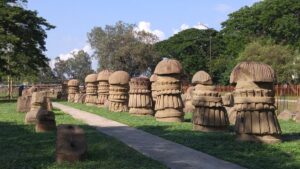
If you have an interest in history and archaeology, you should consider exploring the Kachari Ruins found in the Dimapur region. These ancient ruins are known for their unique pillar-style architecture and are a great complement to a day spent exploring Rangapahar.
You can read our Kachari Kachari Ruins travel guide to discover more about the ancient attraction and plan your visit.
Explore Dimapur Town
You can also spend time exploring the local town and its bazaars. Doing so will ensure that you have an authentic local experience and discover the food scene in the region. After an adventurous day, you can always find a local establishment willing to offer you a meal and a drink.
If you plan to utilise a day to explore the region, ensure that you create a list of places to visit. Always keep in mind the distance between your accommodation and each attraction, and allow yourself enough time for transport between different stops.
Is Rangapahar Reserve Forest Worth Visiting?
Rangapahar Reserve Forest is a great attraction for anyone with an interest in the local plant life, wildlife, and conservation efforts in the region. The forest area is a valuable reminder of the region’s biodiversity, and a visit to Rangapahar will ensure that you have a different experience from exploring the urban area of Dimapur.
However, your visitor experience depends on the access provided and current guidelines for visiting the reserve forest. If you are planning a dedicated wildlife observation visit, Nagaland Zoological Park is always a good option, whereas a visit to Rangapahar should always be authorised by the relevant authorities.
FAQs About Rangapahar Reserve Forest
Where is Rangapahar Reserve Forest located?
Rangapahar Reserve Forest is located near Dimapur, Nagaland.
What is Rangapahar Reserve Forest known for?
It is known for its natural vegetation, plant life, birds, and wildlife.
Can visitors see wild animals there?
The region is known to host a variety of wildlife, but you should always follow the visitor guidelines and never disturb the local fauna.
Is Rangapahar Reserve Forest free to visit?
Do not assume that entry is free. Always double-check the visitor guidelines before planning your visit.
Final Thoughts
Rangapahar Reserve Forest is the perfect gateway to exploring the diverse plant life and animal species. Being the most visited destination in the area for conservation purposes, Rangapahar is always a great option and one must take advantage of it and explore to their hearts’ content. Always remember to utilise the current visitor guidelines provided by various tourism bodies and authorities. Additionally, do not forget to include a few more tourist attractions in Nagaland in your itinerary to enjoy the city’s vibrant and diverse culture.