In Gandhinagar Explore this destination
The Adalaj Step-Well, located near Ahmedabad, Gujarat, is a stunning example of medieval Indian architecture. Built in 1499 by Queen Rudabai, this five-story step-well served as both a water reservoir and a resting place for travelers. Today, it stands as a symbol of ingenuity, artistry, and historical significance, drawing tourists from around the world.
Historical Significance
Adalaj Step-Well was constructed during the Vaghela dynasty and completed under the Mughal influence. Step-wells like Adalaj were essential for water conservation in arid regions, while also serving as social and cultural gathering spaces. The well has witnessed centuries of history, and its intricate carvings and inscriptions provide insights into the religion, culture, and artistry of that era.
Architectural Highlights
The step-well showcases unique architectural brilliance, combining aesthetics with functionality:
- Intricate Carvings: The walls feature floral motifs, geometric patterns, and depictions of Hindu deities
- Five Levels: Descend through five terraces to reach the water at the bottom
- Ornate Pillars: Each floor is supported by beautifully sculpted pillars that highlight craftsmanship
- Ventilation and Lighting: Openings allow sunlight and air to reach the lower levels, creating a serene ambiance
- Symmetry and Design: The well reflects perfect geometric proportions and advanced engineering of medieval India
Visitors often marvel at how artistry, engineering, and functionality were combined in one structure.
Visitor Experience
Exploring Adalaj Step-Well offers a blend of history, architecture, and culture:
- Photography: Capture the intricate carvings and descending symmetry
- Guided Tours: Learn about the history, legends, and cultural significance
- Peaceful Exploration: Unlike crowded tourist spots, the well offers a calm and reflective environment
- Cultural Insight: Understand how step-wells served as social and spiritual hubs
The site appeals to history enthusiasts, architecture lovers, and photographers alike.
Cultural Significance
Step-wells were more than water sources; they served as resting places for pilgrims, travelers, and locals. The carvings depict mythological stories, daily life, and religious beliefs, offering a glimpse into the society and spirituality of 15th-century Gujarat. Visitors can appreciate the cultural and practical ingenuity behind these architectural gems.
Nearby Attractions
Adalaj Step-Well is conveniently located near several Ahmedabad attractions, making it part of a cultural exploration itinerary:
- Sabarmati Ashram: Explore Mahatma Gandhi’s residence and museum
- Kankaria Lake: Enjoy a lakeside promenade, zoo, and entertainment
- Calico Museum of Textiles: Discover India’s rich textile heritage
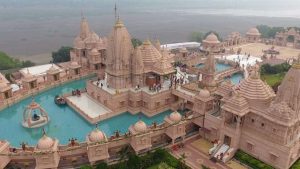
- Akshardham Temple (Gandhinagar): Marvel at intricate carvings and spiritual ambiance
These nearby sites allow visitors to combine architecture, history, and leisure in one trip.
Best Time to Visit
The best time to visit is October to March, when the weather is cool and comfortable. Summers can be extremely hot, and monsoon rains may make the well slippery.
Travel Tips
- Wear comfortable footwear for climbing stairs
- Carry water and sunscreen for daytime visits
- Hire a local guide for in-depth historical knowledge
- Visit early morning or late afternoon for cooler temperatures and soft lighting
- Respect the site and avoid touching delicate carvings
Conclusion
The Adalaj Step-Well is a masterpiece of medieval Indian architecture, combining engineering, artistry, and cultural significance. Its intricate carvings, geometric precision, and historical importance make it a must-visit destination in Gujarat. A visit promises photography opportunities, cultural insights, and a serene experience, allowing travelers to appreciate the ingenuity and creativity of India’s past.