In Panchmahal Explore this destination
Champaner-Pavagadh Archaeological Park is a UNESCO World Heritage Site located in Panchmahal, Gujarat. It is known for its ancient forts, mosques, temples, and stepwells, reflecting the rich history and architecture of the region. Visitors can expect a blend of history, culture, and nature. The park is ideal for history enthusiasts, architecture lovers, trekkers, and travelers seeking an immersive cultural experience.
Location and Accessibility
Champaner-Pavagadh Archaeological Park is situated about 50 kilometers from Vadodara. Visitors can reach it by car, taxi, or bus. The main entry points are at Champaner town and Pavagadh hill base.
Parking is available near the entrances. From there, visitors can explore on foot, with well-marked trails leading to forts, temples, and mosques. Comfortable shoes are recommended due to uneven terrain in some areas.
Historical Significance
The park is home to monuments dating back to the 8th–16th centuries, including both Hindu and Islamic structures. Visitors can expect to learn about Champaner’s history as a capital city, its rulers, and the architectural achievements of the Gujarat Sultanate.
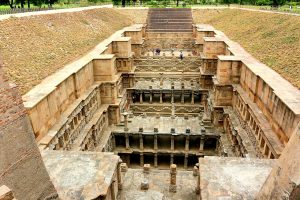
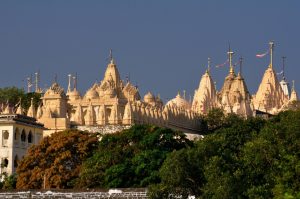
Key structures include Jama Masjid, Kevda Masjid, Nagina Masjid, fort walls, stepwells, and Jain temples, each with unique architectural features. Informational boards provide historical context for each monument, helping visitors understand their significance.
Architecture and Layout
Champaner-Pavagadh Archaeological Park showcases Indo-Islamic architecture alongside older Hindu temples. Visitors can admire arches, domes, intricately carved pillars, stone lattices, and stepwells.
The park covers both the plains of Champaner and the hill of Pavagadh, with trails connecting forts, mosques, and temples. Walking through the complex offers a combination of historical discovery and scenic views of the surrounding landscape.
Activities and Experiences
Visitors can explore forts, mosques, temples, and stepwells throughout the park. Photography is highly recommended, as the monuments and surrounding hills provide excellent photo opportunities.
Trekking up Pavagadh Hill is popular, offering panoramic views of the park and surrounding countryside. The climb is moderate and suitable for visitors with reasonable fitness.
Exploring smaller structures, gardens, and local streets adds a cultural dimension, allowing visitors to experience both architecture and daily life in the region.
Best Time to Visit
The best time to visit Champaner-Pavagadh Archaeological Park is between October and March, when the weather is cooler and comfortable for walking and trekking.
Early mornings offer fewer crowds and soft light for photography. Weekdays are quieter than weekends, providing a more peaceful experience. Avoid visiting during peak summer, as temperatures can get high, especially during outdoor exploration.
Facilities and Visitor Tips
The park provides basic facilities including parking, restrooms, drinking water, and small food stalls near the entrance. Visitors should wear comfortable shoes suitable for walking on uneven terrain.
Carry water, sunscreen, and a hat for outdoor exploration. Respect historical structures by not climbing or touching delicate carvings. Follow marked trails and observe safety measures while trekking Pavagadh Hill.
Cultural and Educational Experience
Visiting Champaner-Pavagadh Archaeological Park offers a deep cultural and educational experience. You can learn about Gujarat’s medieval history, architectural styles, and the blending of Hindu and Islamic traditions. Local guides and information boards provide detailed insights into the park’s heritage.
Conclusion
Champaner-Pavagadh Archaeological Park offers a remarkable blend of history, architecture, and nature. Visitors can expect forts, mosques, temples, stepwells, scenic hill views, and cultural insights. It is ideal for families, history buffs, trekkers, and travelers seeking a comprehensive cultural experience. A visit to the park provides education, inspiration, and a memorable journey through Gujarat’s rich heritage.