In Bastar Explore this destination
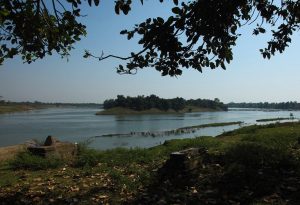
Chitrakote Waterfalls, located near Jagdalpur in Chhattisgarh, is often called the “Niagara of India.” It is the widest waterfall in India, stretching over 300 meters and plunging 29 meters into the Indravati River. Surrounded by lush forests and hills, Chitrakote is a breathtaking natural attraction that draws travelers, photographers, and adventure seekers from across the country.
Natural Beauty
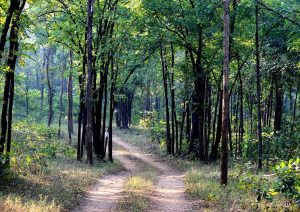
The waterfall’s crescent-shaped cliff gives it a dramatic appearance. During the monsoon season (July to September), the water flow intensifies, creating a spectacular, roaring curtain of water. The surrounding dense forests and rocky terrain add to its charm, making it a haven for nature lovers.
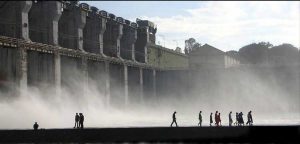
The mist rising from the waterfall creates a magical ambiance, while rainbows often appear in the spray during sunny days, making it a photographer’s paradise.
Adventure and Activities
Visitors to Chitrakote Waterfalls can enjoy several activities:
- Boating: Small boats allow visitors to get close to the base of the waterfall, offering thrilling views.
- Trekking: Surrounding hills provide trekking trails with panoramic views of the waterfall and forests.
- Photography: The dramatic landscape is ideal for professional and amateur photographers alike.
These activities make the waterfall not just a sight to see but an experience to feel.
Cultural Significance
Chitrakote is not only a natural wonder but also has cultural importance. Local tribal communities celebrate festivals near the waterfall, and the area is considered sacred by many villagers. Visitors can observe traditional rituals and gain insight into local customs, adding depth to their trip.
Accessibility
Chitrakote is located about 38 km from Jagdalpur, which is well-connected by road and rail. The nearest airport is in Raipur, approximately 300 km away, from where travelers can hire taxis or buses to reach the falls. Local guides are available for trekking and boating, enhancing the visitor experience.
Best Time to Visit
The monsoon season is the most dramatic time to visit Chitrakote, when the waterfall is at its fullest. However, for safer trekking and boating, October to March offers pleasant weather, calmer waters, and clearer views. Avoid visiting during peak monsoon days when the flow can be dangerously strong.
Nearby Attractions
Chitrakote is part of the Bastar region, which is rich in natural and cultural attractions. Nearby sites include:
- Tirathgarh Waterfalls: A smaller yet beautiful waterfall ideal for a day trip.
- Kanger Valley National Park: Home to caves, wildlife, and dense forests.
- Danteshwari Temple: A significant religious site in Jagdalpur.
Exploring these attractions makes a visit to Chitrakote a complete Bastar experience.
Visitor Tips
- Wear comfortable shoes for rocky and slippery terrain
- Carry water, sunscreen, and insect repellent
- Hire local guides for safety during trekking and boating
- Respect the environment and avoid littering
- Visit early in the day for the best light for photography
Conclusion
Chitrakote Waterfalls is a natural masterpiece that combines beauty, adventure, and cultural significance. Its sheer width, roaring flow, and surrounding greenery make it an unforgettable destination. For travelers seeking the wonders of central India, a visit to Chitrakote offers both awe and tranquility, leaving lasting memories of nature’s grandeur.