In Anuppur Explore this destination
Amarkantak is in Anuppur district, Madhya Pradesh. It is a famous hill station and pilgrimage town where the Narmada River originates. People visit to see hills, rivers, temples, waterfalls, and enjoy calm nature. Visitors include families, students, travelers, photographers, and nature lovers who want slow, peaceful, and spiritual experience.
Unlike crowded hill stations, Amarkantak feels quiet, green, and serene. Visitors can walk slowly on hills, near waterfalls, and around temples. Children enjoy seeing flowing rivers, small animals, and nature. Adults feel calm, inspired, and connected to spirituality and environment.
Location and How to Reach
Amarkantak is about 290 km from Jabalpur. Roads are mostly good. Visitors can reach by:
- Private car or taxi
- Train to Anuppur station, then taxi to Amarkantak
- Bus to nearby towns
Parking is available near temples and main attractions. Comfortable shoes and clothes are recommended because walking on hills and steps is required. Carry water, camera, hat, and snacks.
First Feeling at Amarkantak
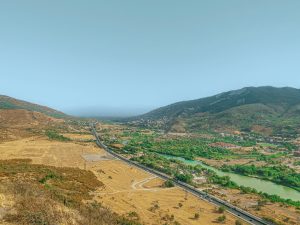
When you reach Amarkantak, the first thing you notice is green hills, flowing rivers, and calm surroundings. Visitors feel amazed, peaceful, and refreshed. Hills, forests, and waterfalls create natural and spiritual charm.
Children enjoy exploring nature, watching small animals, and playing near streams. Families walk slowly, take photos, and enjoy scenic views. Solo travelers sit quietly, observe surroundings, and feel calm. Amarkantak feels natural, peaceful, and inspiring.
What You Will See
Visitors can see:
- Origin of Narmada River
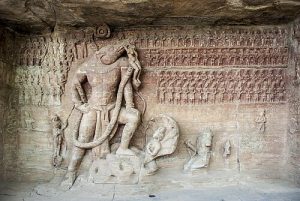
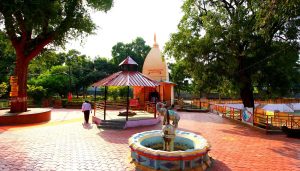
- Temples, including Narmada and Kapil Muni temples
- Waterfalls like Doodhadhari and Sonmuda
- Dense forests, hills, and scenic viewpoints
- Local markets selling handicrafts and local food
Walking slowly allows visitors to notice flowing streams, carvings in temples, and natural beauty. Photography is allowed in open areas. Visitors can sit near rivers, waterfalls, or viewpoints and enjoy calm surroundings.
What Visitors Usually Do
Most visitors:
- Walk slowly on hills, trails, and near waterfalls
- Visit temples and observe architecture
- Take photographs of rivers, waterfalls, and landscapes
- Children enjoy nature, birds, and small streams
- Families pray, relax, and spend time in calm surroundings
Guides may explain history, temples, and natural spots. Solo travelers photograph, meditate, or quietly explore. Visitors can spend hours walking, sitting, observing, and learning about nature and spirituality.
Best Time to Visit
The best time is October to March.
- Winter: cool and comfortable for walking and exploring
- Summer: warm, better early morning or late evening visit
- Monsoon: waterfalls are full, forest green, but paths may be slippery
Morning is best for calm exploration, photography, and meditation. Afternoon offers scenic views and relaxing time near rivers.
Things to Keep in Mind
- Wear comfortable shoes and clothes
- Carry water, camera, and hat
- Walk carefully on hills and steps
- Keep children close and safe
- Respect temples and pilgrims, do not litter
What Kind of Experience to Expect
Amarkantak gives calm, natural, and spiritual experience. Visitors enjoy hills, rivers, waterfalls, temples, and forests. Families, students, couples, and solo travelers feel relaxed. Children learn about nature, rivers, and culture in simple way. Visitors can walk, sit, photograph, and enjoy peaceful environment.
Conclusion
Amarkantak is peaceful, scenic, and spiritual. Visitors can walk hills, see temples, photograph waterfalls, and enjoy calm atmosphere. Perfect for families, students, travelers, and nature or spiritual lovers who want slow, calm, and educational experience. Spending time here gives peace, inspiration, and connection with nature and faith.