In Jaisalmer Explore this destination
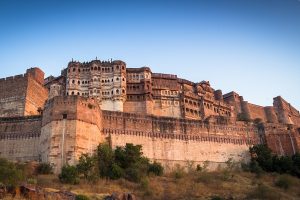
Jaisalmer Fort, often called the Golden Fort, is one of Rajasthan’s most impressive landmarks. Built in 1156 by Rawal Jaisal, the fort rises dramatically from the Thar Desert and gives Jaisalmer its nickname, the Golden City. Unlike many other forts in India, Jaisalmer Fort is still a living fort, with homes, shops, and temples inside its walls. This rare feature creates a unique mix of history, architecture, and everyday life.
First Impressions: Entering the Fort
The main entrance of Jaisalmer Fort leads into narrow, winding streets lined with golden sandstone buildings. Under the desert sun, the walls glow warmly, creating a magical atmosphere. As you walk through the lanes, you will see small shops selling handicrafts, traditional jewelry, and colorful textiles.
At the same time, local residents continue their daily routines, which makes the fort feel alive. This blend of ancient structures and modern life offers a truly special experience for visitors.
Architectural Highlights Inside the Fort
Jaisalmer Fort is well known for its beautiful architecture. The Raj Mahal, or Royal Palace, stands out with its fine carvings, ornate balconies, and detailed stonework. These features reflect the craftsmanship and artistic skills of the Rajput rulers.
In addition, the fort houses several Jain and Hindu temples. These temples display intricate carvings and peaceful interiors that reflect deep spiritual traditions. The fort’s strong walls and bastions also remind visitors of its historical role as a powerful defensive structure.
Exploring the Streets and Local Markets
Inside the fort, narrow lanes open into lively markets and quiet courtyards. Visitors can shop for embroidered fabrics, wooden crafts, and traditional jewelry. There are also small cafes and eateries that serve local Rajasthani dishes.
Walking through these streets allows visitors to notice the details of the sandstone walls, carved jharokhas, and hidden temples. Moreover, the fort is an excellent place for photography, especially during the morning and evening when the golden color of the stone looks most vibrant.
Views of the Desert Landscape
From the ramparts of Jaisalmer Fort, visitors can enjoy wide views of the surrounding desert. The city below appears in shades of gold, with narrow streets and clustered houses. Beyond the city, the vast desert stretches toward the horizon.
Sunset is one of the most memorable moments at the fort. As the sun sets, the walls glow like molten gold against the clear sky. Therefore, many visitors gather on the ramparts to capture this breathtaking scene.
Cultural Life Within the Fort
Jaisalmer Fort is not only a historical site but also a cultural center. Folk music and dance performances are sometimes held in open courtyards, offering a glimpse into local traditions. In addition, festivals and daily rituals carried out by residents help keep the fort’s heritage alive.
These cultural experiences add depth to a visit and allow travelers to connect with the living history of the fort.
Helpful Tips for Visitors
Visit early morning or late afternoon to enjoy softer light and cooler temperatures.
Wear comfortable shoes, as the sandstone streets can be uneven.
Carry water, especially during hot weather, due to the desert climate.
Take time to explore both the palaces and local markets for a complete experience.
Conclusion: A Living Treasure of the Desert
Jaisalmer Fort is more than a historic monument. It is a living treasure where architecture, culture, and desert life come together. Its golden walls, detailed carvings, and lively streets create an unforgettable experience.
Whether you are a history enthusiast, photographer, or traveler seeking adventure, Jaisalmer Fort leaves a lasting impression. Visiting it feels like stepping into a golden world of Rajasthan, where every corner has a story to tell.