In Ahmedabad Explore this destination
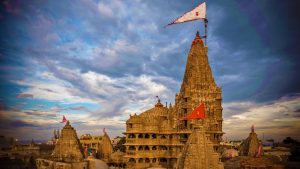
Jama Masjid in Ahmedabad is one of India’s most historic and architecturally significant mosques. Built in the 15th century by Sultan Ahmed Shah, it reflects Indo-Islamic architecture with intricate stonework, expansive courtyards, and elegant arches. Visitors can expect a blend of history, culture, and spiritual atmosphere. The mosque is ideal for architecture enthusiasts, history lovers, and travelers exploring Ahmedabad’s heritage.
Location and Accessibility
Jama Masjid is located in Old Ahmedabad, easily accessible by car, taxi, or public transport. The surrounding area features narrow streets typical of the old city, adding to the historic charm.
Parking is limited nearby, so visitors may need to park a short distance away and walk to the mosque. Walking through the surrounding lanes also provides a glimpse into the bustling local life.
Historical Significance
Jama Masjid is one of Ahmedabad’s oldest mosques, constructed in 1424. Visitors can expect to learn about the city’s early history, Sultan Ahmed Shah’s reign, and the mosque’s role in religious and cultural life.
Informational boards around the mosque provide context about its architectural style, construction techniques, and historical importance. The site serves as both a place of worship and a monument of India’s rich Islamic heritage.
Architecture and Layout
The mosque features large courtyards, intricately carved pillars, and decorative arches. Visitors can admire the geometric patterns, stone latticework (jalis), and symmetrical design typical of Indo-Islamic architecture.
The main prayer hall has rows of arches and domes, creating an open and airy space. Courtyards provide areas for reflection, photography, and observing the mosque’s details.
Activities and Experiences
Visitors can walk through the expansive courtyards, observe the stone carvings, and capture photographs of the mosque’s architecture. Guided tours or local guides can offer deeper insights into its design, history, and religious significance.
While the mosque remains active for daily prayers, visitors can respectfully observe the rituals from designated areas. The peaceful ambiance encourages quiet reflection and appreciation of the surroundings.
Best Time to Visit
The best time to visit Jama Masjid is between October and March, when the weather is cooler. Early mornings provide soft lighting for photography and a calmer experience before crowds arrive.
Weekdays are generally less crowded than weekends, allowing for a more relaxed visit. During Ramadan or other Islamic festivals, the mosque becomes lively, offering a vibrant cultural experience.
Facilities and Visitor Tips
Facilities near the mosque include basic restrooms, benches, and small shops. Visitors should wear modest clothing, cover their heads inside the prayer hall, and remove shoes before entering sanctums.
Comfortable walking shoes help navigate the courtyards and surrounding lanes. Respect the mosque’s heritage and avoid touching delicate carvings. Photography is allowed in most areas, but avoid using flash inside prayer halls.
Cultural and Local Experience
Visiting Jama Masjid provides insight into Ahmedabad’s religious and cultural history. The surrounding old city streets feature local markets, traditional foods, and shops selling textiles and handicrafts. Engaging with locals adds depth to the visit, giving a glimpse of daily life in historic Ahmedabad.
Conclusion
Jama Masjid offers a rich blend of history, architecture, and culture. Visitors can expect intricately carved pillars, spacious courtyards, and a serene spiritual atmosphere. It is ideal for architecture lovers, history enthusiasts, and travelers seeking cultural immersion. A visit to Jama Masjid provides both educational and aesthetic enrichment, making it a must-see landmark in Ahmedabad.