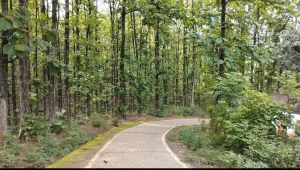
In Golaghat Explore this destination
Introduction: A Window into Assam’s Past
Lekai Chetia Maidam, located near Sivasagar, Assam, is one of the significant historical monuments of the Ahom dynasty. The Ahoms ruled Assam for nearly 600 years, leaving behind an architectural legacy of temples, palaces, and Maidams—ancient burial mounds of Ahom royalty. Lekai Chetia Maidam is a serene site that allows travelers to explore Assam’s rich history, heritage, and culture.
Historical Significance
The Maidam was constructed as a burial site for Lekai Chetia, a prominent figure of the Ahom dynasty. These mounds, built with laterite stones and bricks, reflect the architectural brilliance and ritualistic practices of the Ahoms. Visiting the site provides insights into the dynasty’s traditions, including royal funerary customs and the reverence given to leaders and warriors. The monument is a testimony to Assam’s historical depth and cultural sophistication.
Scenic Beauty
Lekai Chetia Maidam is surrounded by open fields and greenery, offering a peaceful environment for reflection and exploration. The vast lawns, scattered trees, and distant hills create a tranquil backdrop for travelers interested in photography, history, and meditation. The open space and simplicity of the site evoke a sense of reverence, connecting visitors to Assam’s rich past.
Cultural Importance
The site is an essential cultural landmark for understanding Ahom society and governance. Alongside Lekai Chetia Maidam, nearby Maidams and temples provide context to the rituals and beliefs of the Ahom rulers. Local guides often share stories of Ahom kings, their valor, and their contributions to Assam’s history, making the visit both educational and culturally immersive.
Exploration and Activities
Travelers can explore the Maidam and its surrounding areas on foot, learning about Ahom architecture and royal customs. Photography enthusiasts will find the site appealing, capturing the contrast of ancient stone structures against lush green landscapes. History buffs can benefit from guided tours that explain the significance of the structure and its place in Assam’s timeline.
Nearby Attractions
Lekai Chetia Maidam is situated close to other Ahom heritage sites, including Rang Ghar, Talatal Ghar, and Sivasagar Sivadol Temple. Combining visits to these sites offers a complete exploration of the Ahom dynasty’s contributions to architecture, culture, and history. Travelers can spend an entire day in Sivasagar, immersing themselves in Assam’s royal past.
Photography Opportunities
The simplicity and symmetry of the Maidam provide excellent photography options. Wide shots capture the entire structure in its natural setting, while close-ups highlight architectural details such as carved stones, brick patterns, and inscriptions. Morning light brings out soft tones on the monument, while afternoons emphasize shadows and textures, making every visit visually rewarding.
Best Time to Visit
The ideal time to explore Lekai Chetia Maidam is from October to March, when the weather is cool and comfortable. Summers can be hot, so early morning or late afternoon visits are preferable. Monsoon rains may make the surrounding fields muddy, so travelers should plan accordingly.
Travel Tips
- Wear comfortable shoes for walking around the site
- Carry water and sun protection for daytime visits
- Hire a local guide for a deeper understanding of the Ahom heritage
- Bring a camera for photography of landscapes and monuments
- Respect the site’s historical and cultural significance
Conclusion: Connecting with Assam’s Heritage
Lekai Chetia Maidam is more than an ancient burial mound; it is a portal into Assam’s rich history under the Ahom dynasty. The serene surroundings, architectural brilliance, and cultural importance make it a must-visit for history enthusiasts and travelers seeking an immersive experience. Exploring Lekai Chetia Maidam allows visitors to connect with the past while appreciating Assam’s enduring heritage.