In South Delhi Explore this destination
Introduction: A Modern Spiritual Landmark
The Lotus Temple, located in New Delhi, is one of the city’s most distinctive and admired landmarks. Shaped like a blooming lotus flower, the temple attracts visitors from all faiths and backgrounds. More than an architectural marvel, the Lotus Temple stands as a symbol of unity, peace, and equality. It offers a calm space where people can pause, reflect, and experience silence in the heart of a busy city.
Background and Purpose
The Lotus Temple belongs to the Baháʼí Faith, a religion that emphasizes the unity of all people and religions. Completed in 1986, the temple was designed by Iranian architect Fariborz Sahba. The Baháʼí Faith does not support rituals or sermons inside its temples. Instead, the focus remains on silent prayer and meditation.
The temple welcomes people from all religious backgrounds. This open and inclusive approach has made the Lotus Temple one of the most visited religious buildings in the world.
Architectural Design
The design of the Lotus Temple draws inspiration from the lotus flower, which holds symbolic meaning in many cultures. The structure consists of 27 white marble petals, arranged in groups of three to form nine sides. These petals surround a central prayer hall that can accommodate thousands of visitors.
The marble used in construction was sourced from Greece, and the smooth surface reflects sunlight beautifully. The surrounding pools enhance the temple’s appearance while helping cool the structure naturally.
Interior Experience
Inside the prayer hall, the atmosphere feels calm and minimal. There are no idols, images, or decorations. Wooden benches provide seating, and natural light fills the space. Silence is maintained at all times, allowing visitors to focus inward.
This simplicity encourages reflection and peace, regardless of religious belief. Many visitors describe the experience as deeply calming.
Cultural and Social Significance
The Lotus Temple plays an important role in promoting harmony and understanding. It hosts readings from sacred texts of different religions, reinforcing the message of unity. Though no preaching occurs, the temple inspires respect through its inclusive philosophy.
Over the years, the Lotus Temple has become an architectural icon of Delhi. It frequently appears in travel guides and represents modern India’s commitment to spiritual openness.
Visitor Experience
Visitors usually begin by walking through landscaped gardens that surround the temple. These gardens provide a gentle transition from the busy streets outside. Security checks ensure peaceful entry, and volunteers guide visitors with warmth and clarity.
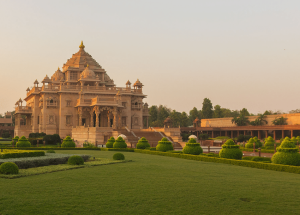
The temple looks especially stunning during sunrise and sunset, when light plays across the marble petals.
Best Time to Visit
The best time to visit the Lotus Temple is between October and March, when the weather is pleasant. Weekdays and early mornings are ideal to avoid long queues.
Travel Tips
- Maintain silence inside the prayer hall
- Wear modest clothing
- Visit early to avoid crowds
- Avoid photography inside the hall
- Combine the visit with nearby attractions
Conclusion: A Space for All
The Lotus Temple offers more than architectural beauty. It provides a space where silence, respect, and unity take center stage. For travelers exploring Delhi, this landmark offers a refreshing spiritual experience that transcends religion and culture.