In Mumbai Explore this destination
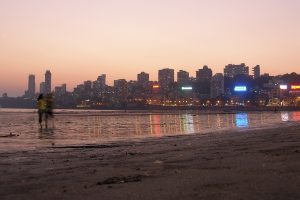
Gateway of India is in Mumbai, Maharashtra. It is a famous monument built during British rule, near the Arabian Sea. People visit to see architecture, sea view, and enjoy city atmosphere. Visitors include families, students, travelers, photographers, and history lovers who want calm, scenic, and educational experience.
Unlike busy city streets, the area near Gateway of India feels open, lively, but calm at certain times. Visitors can walk slowly on the promenade, take photos, enjoy sea breeze, and see boats near the monument. Children enjoy open space, watching boats, and feeding pigeons. Adults feel calm, inspired, and connected to history and architecture.
Location and How to Reach
Gateway of India is in South Mumbai, near Colaba area. Roads are mostly good. Visitors can reach by:
- Private car or taxi
- Train to Churchgate or CST station, then taxi or walk
- Bus to Colaba
Parking is available nearby. Comfortable shoes and clothes are recommended because walking around the promenade and nearby streets is needed. Carry water, camera, hat, and light snacks.
First Feeling at the Monument
When you reach Gateway of India, the first thing you notice is tall arch, sea behind it, and open promenade. Visitors feel amazed, peaceful, and excited. Monument structure, sea view, and city surroundings create scenic and historic charm.
Children enjoy feeding pigeons, watching boats, and walking around open space. Families walk slowly, take photos, and enjoy surroundings. Solo travelers sit quietly, observe architecture, and feel calm. Monument and sea view feel historic, scenic, and lively.
What You Will See
Visitors can see:
- Gateway of India monument with large arch
- Arabian Sea and boats passing near
- Crowds of visitors, local vendors, and photographers
- Small parks and promenades nearby
Walking slowly allows visitors to notice details of arches, stonework, and surroundings. Photography is allowed in open areas. Visitors can sit on benches, watch sea, and enjoy calm environment.
What Visitors Usually Do
Most visitors:
- Walk slowly on promenade near Gateway of India
- Observe architecture and sea view
- Take photographs of monument, sea, and surroundings
- Children enjoy open space and pigeons
- Families relax, read boards, and spend time observing history
Local guides explain history of monument, British rule, and arrival of King George V. Solo travelers photograph, meditate, or quietly explore. Visitors can spend hours walking, sitting, observing, and learning about monument and city history.
Best Time to Visit
The best time is October to March.
- Winter: cool and comfortable for walking and exploring
- Summer: warm, better early morning or late evening visit
- Monsoon: sea is rough, monument looks dramatic but crowds are high
Morning is best for calm exploration and photography. Evening offers sunset views and lively atmosphere.
Things to Keep in Mind
- Wear comfortable shoes and clothes
- Carry water, camera, and hat
- Walk carefully around crowds
- Keep children close and safe
- Respect monument and surroundings, do not litter
What Kind of Experience to Expect
Gateway of India gives calm, scenic, and historic experience. Visitors enjoy architecture, sea, open space, and city surroundings. Families, students, couples, and solo travelers feel relaxed. Children learn about history and city landmarks in simple way. Visitors can walk, sit, photograph, and enjoy lively yet calm environment.
Conclusion
Gateway of India is historic, scenic, and lively. Visitors can walk, see monument, photograph surroundings, and enjoy calm atmosphere. Perfect for families, students, travelers, and history or architecture lovers who want slow, calm, and educational experience. Spending time here gives peace, inspiration, and connection with city, sea, and heritage.