In Meghalaya Explore this destination
Nokrek National Park, Meghalaya: Nokrek Trekking Guide
If you are thinking of exploring the forests of Meghalaya beyond the main attractions of Shillong, Cherrapunji and Dawki, then Nokrek National Park is a good option. Known as a natural reserve with rich biodiversity, it is found in the Garo Hills of Meghalaya.
However, while Nokrek is a great experience for travellers who enjoy forest walks, wildlife spotting and nature-based adventures, these are not typical “hit and run” tourist attractions. This guide explains what to expect and how to prepare for a trip to and around Nokrek National Park.
About Nokrek National Park
Tura provides a useful base for exploring Nokrek National Park, which is found in the Garo Hills of Meghalaya. Its forest cover, biodiversity and Nokrek Peak – the highest point in the Garo Hills – make it a popular hiking spot.
Nokrek is closely linked with Nokrek Biosphere Reserve that is famous primarily for its biodiversity and wild citrus species. In fact, the region possesses the richest assemblage of wild citrus relatives, including the critically endangered Citrus indica, commonly known as Indian wild orange.
Do not visit Nokrek if you expect to see a particular animal. Wildlife spotting is never guaranteed in Nokrek, where the primary draw is the forest and the local biodiversity, which is best experienced on a guided trekking tour.
What Is the Trek Like?
The trek is one of the main draws of Nokrek, although it is significantly different to the “hit and run” style adventures that are typical of Shillong and other tourist hubs of Meghalaya. This is a forest area, and the route and the fitness requirements can be significantly different to anything you have experienced before.
- Forest trails: Rather than a curated nature reserve, it is a wilderness; be prepared for uneven terrain and vegetation-covered tracks.
- Condition of trail: The state of the trail can vary dramatically depending on the weather and the section of the trail that you are walking on.
- Trekking duration: It depends significantly on the route and the fitness of the person; ask your local guide for the estimated duration
- Tourist facilities: There are usually no food stalls, refreshment booths or facilities along the trail.
Visitors who are not accustomed to forest trekking and day-walking should start slow and steady and make regular breaks. It may be worth asking around about the current state of the trail, if you are unsure of your fitness and balance. Likewise, avoid attempting the trail if there are young children in your care or if the trail seems too strenuous for you.
Permits, Entry and Local Guides
Do not assume that entry to Nokrek National Park is free. Permits and other entry conditions might be subject to change, depending on the forest department’s current regulations as well as the route that you wish to take.
- Contact the local Forest Department of Nokrek or an authorised agent
- Ask if a permit is required to view specific sections within the national park and arrange your own visit to the designated forest guard office
- Inquire if a guide and/or fees are required for admission and view their proposed routes
- Ask for the current visitor conditions and restrictions regarding entry to specified sites within the national park
It better to ask these questions in person or over the phone while you are still in Tura and not while you are already in Nokrek. Always confirm these details before visiting Nokrek again and do not rely on information from a random stranger or an out-of-date website
What Can You See Inside Nokrek?
As this is primarily a nature and forest-based trek, there are not many “things to do” in Nokrek. This is a place to explore the local flora and the forest ecosystem within which they have adapted to survive and flourish. There may be birds in this region, if you are able to hear them, and small streams or leeches, if you are unlucky enough to encounter any.
- Tree cover and biodiversity: Dense tree cover makes Nokrek very different to the panoramic views from viewpoints or other tourist spots around Meghalaya.
- Wildlife: Spotting wildlife (birds, etc.) is possible but it depends largely on the season, the hour of the day and your location within the forest.
- Botanical wonders: Botanical richness is one of the main draws of Nokrek, including the many species of wild citrus relatives of the Indian wild orange (Citrus indica).
- Soundscapes: While you are unlikely to see any animals, you will most probably hear them, along with the ambient sounds of nature
- Leave no trace: Leave the forest the way you found it and do not bring any outside objects into this delicate ecosystem. Do not collect any seeds, botanical specimens or natural history souvenirs from the protected area.
Use your imagination and take your time, exploring the local sights and sounds in this rich biodiversity hotspot.
Wildlife: What Are Your Chances of Seeing Animals?
While Nokrek is known for its biodiversity, wildlife spotting – or even local flora spotting – is by no means guaranteed. Animals rarely come to see you and dense foliage tends to prevent you from seeing clearly.
Birdwatching, in particular, can prove to be a most challenging proposition within these conditions, unless you bring binoculars and take professional advice. This is a wildlife forest, not a zoo; be prepared to see some animals and not see others. Similarly, do not expect to see red pandas or any other particular animal.
Finding wild animals in Nokrek is more a matter of chance, and not a given right, so prepare yourself mentally before setting off on your adventure. To maximise your chances of seeing any animals, always follow the safety and conduct guidelines issued by your guide and avoid getting too close to any animals. Likewise for wildlife photography: if the animal comes to you, take a picture; if you go to the animal, turn back.
- Listen to your guide or forest department representative and follow their advice
- Do not get too close to any animals
- Trekking boots are an absolute must; avoid open-toed shoes and other forms of footwear that do not provide adequate protection or grip
- If you do happen to see a snake or any other potentially dangerous animal, keep your distance at all times
Is Nokrek National Park Crowded?
Compared to the densely-packed viewpoints, roadside attractions and food hubs of Shillong, Nokrek does not seem especially busy. This will depend, of course, on the route that you choose and how much time you have available to view the sights.
However, the fact remains that Nokrek is not an isolated wilderness but a popular forest trekking area and it is wise to plan your visit with potential visitors in mind: other tourists, as well as any local forest activities that may be happening at the same time.
The weather conditions can play a much greater factor, when it comes to determining how many people will decide to undertake this specific forest adventure. Always carry a raincoat or other suitable form of weather protection, as rain can severely limit visibility, increase risks and impact on the condition of the trail.
Opening Hours and Best Time to Start
As a natural reserve, Nokrek is by no means a temple or other tourist attraction with clearly defined opening and closing hours. Entry restrictions may apply during certain periods of the year and your entry might be restricted, depending on the route that you wish to take.
A the local conditions and always start your hike at sunrise, to allow sufficient daylight for viewing your intended route and to give you enough daylight to return to your base camp or hotel
Always carry a map and ask for any additional restrictions that may apply to specific trailheads. It is best to consult with a local guide before embarking on your adventure. If you are a novice walker or elderly visitor, always keep the safety guidelines in mind and never embark on any excursion that you cannot control.
Best Time to Visit Nokrek National Park
Trekking is a sport that is severely impacted by adverse weather, particularly high rainfall which increases leech populations and makes the terrain very slippery. While trekking can begin any time of the year, the generally warm and dry conditions of the season tend to encourage clearer vision and better footing, so it is best to schedule this as a day trip for maximum benefit.
The months of October to May represent an excellent window for viewing local biodiversity but these conditions cannot always be guaranteed and visitor numbers often fluctuate with the changing seasons. Here’s a general idea of what you might expect on a trip to Nokrek:
- October and November: Generally sunny (but double-check trail conditions after seasonal monsoon rains)
- Winter: Although relatively cool, these are generally good conditions for hiking and wildlife spotting
- March to May: Increasingly hot and dry; bring plenty of water and do not rush
- Monsoon months: Not recommended due to slippery conditions, heavy rain and leeches
Always check the weather forecast for your intended route and avoid any hikes that appear to be unsafe according to your guide and/or any local weather advisories.
What to Carry for the Trek
If you are going to experience Nokrek, expect to see Nokrek and not much else. As Nokrek is quite an isolated area, it is best to carry all essential equipment with you and only purchase any non-essential items in Tura or the other nearby towns and villages.
- Trekking boots for stability and protection
- Drinking water, in addition to any necessary medication or other liquids that you might require during the hike
- A suitable weather protection – a raincoat or other suitable clothing
- Prophylactics for leeches, if necessary or advised
- A a small medical kit containing any medication or treatment that you might need
- A a fully charged mobile phone and a portable battery charger/power bank
- A waterproof phone pouch/case or other suitable weather protection for your phone, along with any other valuables you wish to protect from the elements
- Clothing and equipment for your comfort and safety in hot or cold weather as dictated by local conditions
Telecom connectivity is spotty at best under such conditions, so avoid relying solely on your phone for navigation/communication. Similarly, always take your rubbish with you and avoid leaving any form of pollution or hazardous littering behind after your hike.
How to Plan a Visit from Tura
Tura provides a great base for visiting the Nokrek area. First and foremost, always consult with local forest officials and confirm the access rules and general conditions for visitors before you leave. Here is a suggested breakdown:
- Arrival in Tura: Make any necessary travel and accommodation arrangements for Tura, according to your overall itinerary in the Garo Hills of Meghalaya
- Confirming guidelines: Contact local forest officials, to discuss entry regulations or any special requirements.
- Arranging a guide: Confirm the meeting point, route of the tour and the schedule/time-frame for any guided walks. It is advisable to double-check these details with your guide before departure.
- Leaving for Nokrek: Set off early enough to allow sufficient time for daylight trekking, according to the proposed schedule.
- Returning home: Always keep your plans flexible with regard to the weather; cancel the outing altogether if there are any warnings about hazardous trail conditions
Do the duration of any tour depends on the route and the general fitness of the hiker. Do not assume that there would be suitable arrangements for half-day treks; double-check the proposed route and the time required, before making any travel commitments.
Other Places to Explore Around Tura
If while the forest walk in Nokrek makes quite an adventure, there are other nearby natural attractions for exploring that are worth including in your Tura itinerary.
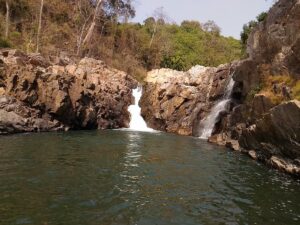
Pelga Falls near Tura is another place to consider if you want to see a waterfall and enjoy a shorter nature outing. Check travel time and road conditions before combining it with a trek, as attempting too many stops in one day may leave you short of daylight.
For more background on Nokrek and its ecological importance, you can read the Meghalaya Government’s information about Tura and Nokrek. Check current entry requirements with the relevant forest authorities before travelling.
Pelga Falls near Tura
It is another popular attraction for visiting – just remember the approximate travel times for these forest adventures and avoid overplanning, lest you fail to return by nightfall! Always remember: safety first, sightseeing second.
Here is a brief guide to visiting Nokrek and its associated activities. The Tura Forest Area Visitor’s Guide provides a wealth of additional information relating to forest walks and other outdoor pursuits throughout the broader Garo Hills area. Do not forget to double-check the current entry conditions before visiting any area in Meghalaya.
Who Should Visit Nokrek National Park?
Nokrek National Park is best suited to nature lovers, avid trekkers, photography enthusiasts and/or those with an interest in botany or zoology. Families with young children, inexperienced visitors or those with mobility issues may prefer to save the forest adventure for another time.
It may also prove a disappointment to those that expect a more traditional tourist experience with well-established facilities or opportunities for wildlife photography and interaction with local fauna.
Advantages and Things to Consider
What Makes Nokrek Special
- wildlife and biodiversity spotting opportunities
- Unique and rich citrus biodiversity
- Popular forest adventure activity in the Garo Hills
- opportunities for birdwatching and nature walks
- Serve the local community by choosing eco-tourism options and minimising your impact on the local environment
What to Keep in Mind
- Access the area with appropriate local guides or permission from the relevant authorities
- Check the state of the trail (particularly after rains) before hiking in order to avoid unnecessary risks
- Some weather conditions may impact on visitor capacity; always follow local guidelines with regards to these conditions.
- Rare wildlife species sightings are never a given; bring along appropriate hiking or trekking gear and keep a reasonable distance from any wildlife.
- Accommodation options: Visitors are not advised to set up camp within the protected area. Local and government officials can provide more information with regards to any officially sanctioned camping sites, with in the area.
- The advantages of visiting Tura, particularly with regards to transport or other accommodation options
- Cultural experiences: Always keep in mind the needs of the local communities when enjoying natural attractions or visiting protected areas that fall under local management. Always ensure that your visit leaves the local community and environment better off than you found them.
Frequently Asked Questions
Is Nokrek National Park suitable for beginners?
this can depend on the trail that you choose and the general weather conditions on the day of your hike. Ask for the walking duration as advised by your local guide, in terms of fitness requirements and potential obstacles or uneven ground.
Do I need a permit to visit Nokrek?
This can depend on a variety of factors, including the section of the trail that you choose and the general weather conditions. Always confirm any official requirements with local authorities before embarking on your hike.
Is a guide necessary?
a local guide is always advisable when visiting natural attractions in foreign countries, unless you are completely fluent in the local language. This might also be mandatory for some attractions, so always check before setting off.
Can I see a red panda at Nokrek?
while this area is home to many endangered species, wildlife spotting is never guaranteed and animals are generally quite skittish when humans are not present. Always treat any animal encounter with caution and keep a safe distance at all times.
What is the best time to visit Nokrek National Park?
The weather conditions can have a significant impact on the terrain, making it more difficult or even dangerous to hike. The warmer, dryer months tend to be the most popular among visitors, although this can vary from year to year. Always confirm current conditions with local authorities and follow any special guidelines with regards to weather and trail conditions for your specific route.
Are there fixed opening and closing hours?
this would have to be determined by local authorities or your guide, according to current regulations for protected areas and other natural reserves of Meghalaya.
Can I stay inside Nokrek National Park?
this would have to be discussed with local authorities, when making your travel and accommodation arrangements. Visitors seeking overnight accommodation must plan accordingly, according to any official guidelines. Accommodation within national parks and conservation areas is generally not a viable option, so make alternative arrangements if you are not visiting Nokrek on a day-trip basis.
Final Thoughts
A visit to Nokrek National Park makes quite an adventure, particularly if this is the first time you have visited the Garo Hills area of Meghalaya. However, it is worth remembering that this is primarily a forest activity – not something that can be rushed or fit into a tightly-scheduled day of sightseeing like a visit to a traditional tourist attraction in Shillong or Cherrapunji.
Nokrek makes quite an adventure for a visitor who likes to walk into the wilderness to spot the local wildlife or the rich biodiversity of this protected area of Meghalaya. These are tips and considerations that anyone visiting Tura should consider and include in their itinerary.