In Gaya Explore this destination
Introduction: Unearthing Bihar’s Treasures
Ratnaghara, located near Nalanda, Bihar, is an ancient site steeped in history and spiritual significance. Known for its connection to Buddhist and Jain traditions, this destination offers travelers a unique glimpse into India’s ancient heritage, religious practices, and architectural brilliance. For history enthusiasts and culture seekers, Ratnaghara is a must-visit stop in Bihar.
Historical Significance
Ratnaghara, which translates to “Treasure House,” is believed to have been a repository of precious artifacts, relics, and scriptures during ancient times. Historians link it to the flourishing periods of Nalanda University and nearby Buddhist monasteries. The site represents a confluence of spiritual and academic pursuits, reflecting Bihar’s prominence as a center of learning and devotion in ancient India.
Architecture and Monuments
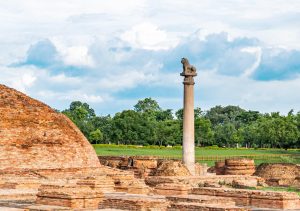
The site features ancient stone structures, relics, and remnants of temples and stupas. Though many parts have been weathered over centuries, the craftsmanship is still evident in the carved pillars, stone carvings, and relic enclosures. Visitors can explore the remnants of monasteries, prayer halls, and meditation chambers that were once used by monks and scholars. The intricate details highlight the skill of artisans from centuries ago.
Scenic Surroundings
Ratnaghara is set amid lush greenery, open fields, and gently rolling hills, providing a peaceful and scenic backdrop for exploration. Walking through the site, visitors experience both natural beauty and historical richness. The serene environment enhances the sense of connection to the past, allowing travelers to reflect on the lives of scholars, monks, and devotees who once inhabited the area.
Cultural and Spiritual Experience
Visiting Ratnaghara is not only about history; it is also a spiritual journey. Pilgrims and tourists alike can feel the quiet aura of the site, imagining centuries-old rituals, meditation sessions, and scholarly discussions. The location gives insight into ancient Indian educational and religious practices, making it a destination that combines learning with spiritual reflection.
Photography Opportunities
Ratnaghara offers excellent opportunities for both landscape and architectural photography. Wide-angle shots capture the ancient structures against the backdrop of greenery and hills, while close-ups reveal carvings, inscriptions, and stonework details. Morning light highlights textures, and late afternoons create soft, warm tones, making every photograph striking and memorable.
Best Time to Visit
The ideal time to visit Ratnaghara is from October to March, when the weather is cool and comfortable for walking and exploring. Summers can be hot and exhausting, while monsoon rains may make some paths slippery. Early morning visits are perfect for a peaceful experience and ideal lighting for photography.
Nearby Attractions
Ratnaghara is close to other historical and spiritual sites like Nalanda University Ruins, Barabar Caves, and Jal Mandir, allowing visitors to plan a comprehensive cultural itinerary. Combining these sites creates a rich journey through Bihar’s ancient heritage, spanning education, religion, and architecture.
Travel Tips
- Wear comfortable shoes for walking across uneven terrain
- Carry water, light snacks, and sun protection
- Hire a local guide to understand the historical significance
- Respect the site and avoid touching delicate structures
- Visit early morning or late afternoon for the best experience
Conclusion: Exploring Bihar’s Hidden Treasure
Ratnaghara is a hidden gem of Bihar, offering a blend of history, spirituality, and scenic beauty. Its ancient monuments, serene surroundings, and cultural significance make it a must-visit for travelers seeking to explore India’s rich heritage. Experiencing Ratnaghara allows visitors to step back in time, appreciate architectural brilliance, and immerse themselves in the spiritual and intellectual legacy of Bihar.