In Gir Somnath Explore this destination
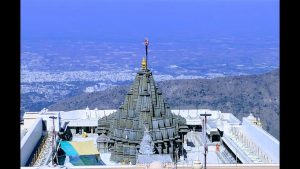
The Somnath Mahadev Mandir, located in Prabhas Patan near Veraval, Gujarat, is one of India’s twelve Jyotirlingas and a major pilgrimage destination for devotees of Lord Shiva. Known as the “Temple of the Moon God,” this ancient temple symbolizes resilience, devotion, and spiritual significance, drawing pilgrims and tourists from across the globe.
Historical Significance
Somnath Temple has a storied history, dating back thousands of years. It has been destroyed and rebuilt several times, reflecting the spirit and determination of the devotees. Legends associate the temple with the moon god, Chandra, and its mention appears in several Puranas and epics. The current structure was reconstructed in 1951 under the guidance of Sardar Vallabhbhai Patel, showcasing modern architecture while preserving tradition.
Architectural Highlights
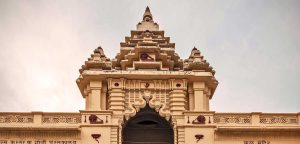
The temple features magnificent Chalukya-style architecture, blending elegance with spiritual symbolism:
- Shikhara (Spire): The golden spire rises majestically, visible from miles away
- Sanctum Sanctorum: Houses the Jyotirlinga of Lord Shiva, revered by devotees
- Intricate Carvings: The walls and pillars display detailed carvings of gods, goddesses, and mythological scenes
- Mandap and Courtyard: Spacious halls for prayers, rituals, and congregations
- Illumination: Evening lights accentuate the temple’s beauty, creating a serene and majestic ambiance
The temple’s architecture reflects both spiritual devotion and artistic excellence.
Spiritual Experience
Visiting Somnath Temple offers a deeply spiritual experience:
- Darshan: Devotees perform rituals and seek blessings at the Jyotirlinga
- Aarti and Pooja: Witness the morning and evening aartis, accompanied by chants and devotional hymns
- Meditation: The peaceful surroundings are ideal for reflection and prayer
- Cultural Insight: Learn about the temple’s rich history, legends, and religious significance
The spiritual atmosphere is uplifting, serene, and immersive, making it a must-visit for seekers of peace and devotion.
Visitor Experience
Visitors to Somnath Temple describe it as majestic, serene, and inspiring. Pilgrims can spend hours exploring the temple premises, attending rituals, and walking along the seafront promenade. The temple also has facilities for devotees, including lodging, guided tours, and food arrangements. Tourists can enjoy the combination of devotion, history, and scenic views.
Nearby Attractions
Somnath is surrounded by several attractions, making it ideal for a complete cultural and spiritual experience:
- Bhalka Tirth: The site associated with Lord Krishna’s legend
- Triveni Sangam: Confluence of three sacred rivers for ritual bathing
- Somnath Beach: Relax along the scenic Arabian Sea coastline
- Prabhas Patan Museum: Exhibits historical artifacts and temple relics
These nearby attractions allow travelers to explore spirituality, history, and natural beauty in one visit.
Best Time to Visit
The best time to visit Somnath Mahadev Mandir is October to March, when the weather is cool and comfortable. Summers can be hot, and monsoons may restrict outdoor exploration. Early mornings provide a peaceful darshan experience, while evenings are vibrant with lights and rituals.
Travel Tips
- Dress modestly and respectfully while visiting the temple
- Carry water and light snacks, especially if visiting during summer
- Attend the evening aarti for a memorable spiritual experience
- Hire a local guide for historical insights and legends
- Combine the visit with nearby attractions for a full-day itinerary
Conclusion
The Somnath Mahadev Mandir is not just a temple—it is a symbol of devotion, resilience, and spiritual heritage. Its majestic architecture, sacred Jyotirlinga, and scenic coastal location make it a must-visit destination in Gujarat. A visit promises spiritual enrichment, cultural insight, and unforgettable experiences, making Somnath a pilgrimage for the soul and a treat for history enthusiasts alike.