In Amritsar Explore this destination
The Partition Museum – A Place Where History Feels Personal
The Partition Museum is a special place. It is where history feels personal. When you visit the Partition Museum you can feel that the history is, about you, the Partition Museum. The Partition Museum makes the history feel like it is happening to you at the Partition Museum.
When you walk into the Partition Museum in Amritsar you will feel the weight of what happened in the past. This museum is not just about telling you what date something happened or what event took place. The Partition Museum in Amritsar actually puts you in the shoes of the people who lived during the Partition of India in 1947.
The museum tells you about families and how they lived every day. You learn about what they lost and how they survived. The Partition Museum in Amritsar is not really about the news stories. It is more, about the people. What they went through during the Partition of India in 1947.
You do not just read about the past at this place. You really feel it. The museum shows what the Partition did to millions of people. The Partition tore families apart. People left their homes overnight. They abandoned everything they had. Started over with almost nothing. The museum tells us about the pain and heartbreak of the people who went through this. It also tells us about the grit and courage of the people who endured the Partition. The museum uses stories and everyday objects to show us what the people went through. It uses memories to bring out the feelings of the people who lived during that time. The museum is, about the Partition and what it did to the people.
Right in the Heart of Amritsar
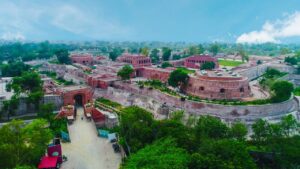
The Partition Museum is located inside the Town Hall, which is just a short walk from the Golden Temple. The museum is in the city center so it is easy to get to. If you are visiting Amritsar you can see the Partition Museum and the Golden Temple on the trip. There are auto-rickshaws and taxis around the Partition Museum and the railway station is not very far away. This is a location for the Partition Museum, which makes it something that everyone who is sightseeing in Amritsar should see. The Partition Museum is really a must see place when you are, in Amritsar.
Why the Museum Matters
This place is special because of the way it shows us what real people went through. The museum has a lot of things to see. It is the stories of real people that make it special. The Partition of 1947 was an event that changed a lot of peoples lives in one day. The museum does not try to make it sound better than it was. You get to see what actually happened to men, women and children.
For people who’re younger this museum is a good way to learn about what their family went through. They can understand what their grandparents had to survive. The museum helps us remember that freedom is not free. The Partition of 1947 and the museum show us why we need to be peaceful and try to understand each other. The museum and The Partition of 1947 remind us that peace and understanding are very important.
Inside the Museum: Stories That Stick With You
Step inside. You will find rooms filled with everyday things like clothes, books and old letters from the Partition. There are white photographs, faded newspapers and objects that people grabbed when they fled their homes during the Partition. You will hear audio and video recordings of Partition survivors telling their Partition stories. Each gallery at the Partition exhibition takes you through a part of the Partition journey. Even though the displays at the Partition exhibition are simple they really hit hard when you think about the Partition. Nothing at the Partition exhibition feels overdone or complicated which somehow makes everything, about the Partition more real when you see it.
You will see:
Personal letters and official documents
Old photos and newspapers
Recorded stories from survivors
People carried things with them when they moved to a new place.
These everyday items were really important to them.
People needed the following things:
- Food to eat
- Water to drink
- Clothes to wear
- Money to buy things
Everyday items like these were a must for people who were migrating.
They had to carry these items with them because they did not know what they would find in the place.
People also carried things that were special to them like family photos or favorite toys when they were migrating.
Everyday items and special things, like these helped people feel safe and comfortable in a place.
The details are what really get to you. Like a suitcase that is all worn out.. A toy that a kid used to play with.. A note that someone wrote by hand. These things make history feel real in a way that you just do not get from a textbook. History is about things, like a worn suitcase and a childs toy and a handwritten note.
A Place for Reflection
The museum is a quiet and respectful place. People usually walk slowly. They stop to read things or listen to something. They want the stories to sink in. Some people even cry when they come out. There is a lot of space to stop and think about things. You will probably leave the museum with a lot on your mind. This is what makes the museum special. You do not just see history you feel connected to the history. The history really stays with you because you feel connected, to the history.
When to Visit
The museum is open every day of the year. However I think the museum is really nice from October to March. The weather is cooler. There are not as many people visiting the museum during these months. If you go to the museum in the morning or early afternoon it is usually pretty quiet. This is especially true if you go on a weekday. If you want to have some time to think and look at the things in the museum without a lot of noise you should not go on the weekends. The museum is much nicer when it is not crowded like, during the week.
Walking Away Changed
Visiting the Partition Museum isn’t light. You’ll probably leave feeling heavy, maybe even shaken. But you’ll also come away with a deeper respect for the strength and resilience of those who lived through one of the toughest chapters in Indian history. This place doesn’t just teach you about the past—it makes you feel it, right down to your bones.