In Patna Explore this destination
Introduction: The Living Capital of Bihar
Patna, the capital city of Bihar, is one of the oldest continuously inhabited cities in the world. Known in ancient times as Pataliputra, Patna has witnessed the rise and fall of great empires, spiritual movements, and cultural transformations. Today, the city blends its rich past with modern development, offering travelers a unique mix of history, religion, and everyday Indian life.
Historical Importance of Patna
Patna holds a special place in Indian history. As Pataliputra, it served as the capital of powerful empires such as the Maurya and Gupta dynasties. Legendary rulers like Chandragupta Maurya and Emperor Ashoka governed from this city. Ancient scholars and travelers described Pataliputra as a well-planned and prosperous urban center.
Patna also played a significant role in India’s freedom struggle. Leaders like Dr. Rajendra Prasad, India’s first President, were closely connected to the city. This deep historical background gives Patna a strong cultural identity.
Religious and Spiritual Significance
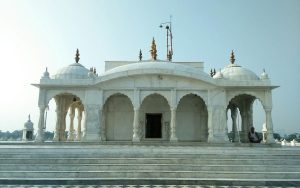
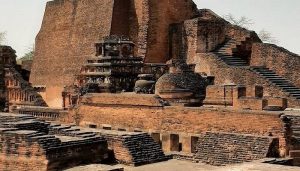
Patna is important to multiple religions. It lies close to major Buddhist and Jain pilgrimage sites, including Vaishali and Nalanda. The city is also associated with Guru Gobind Singh Ji, the tenth Sikh Guru, who was born here. The Takht Sri Patna Sahib stands as one of the holiest Sikh shrines.
Hindu temples, mosques, churches, and Jain mandirs coexist peacefully, reflecting the city’s diverse spiritual heritage.
Major Attractions in Patna
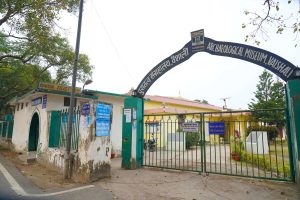
Patna offers several attractions for visitors. The Patna Museum showcases ancient sculptures, coins, and artifacts. Gandhi Ghat, located along the Ganga River, provides a peaceful setting for evening walks and ceremonies. Golghar, a massive granary built during the British era, offers panoramic views of the city.
The Bihar Museum, with its modern design and interactive exhibits, presents history in an engaging way. Together, these sites make Patna a rewarding destination for cultural exploration.
Ganga River and City Life
The Ganga River plays a central role in Patna’s daily life. Ghats along the river host religious rituals, morning prayers, and cultural gatherings. Watching sunrise or sunset by the river offers a calm and reflective experience.
Street markets, local eateries, and busy roads reveal Patna’s energetic urban character. From traditional sweets to local snacks, the city’s food culture adds flavor to any visit.
Cultural Experience
Patna’s culture reflects simplicity and warmth. Festivals like Chhath Puja transform the city into a spiritual spectacle. Music, folk traditions, and regional art continue to thrive alongside modern influences.
Interacting with locals gives travelers insight into Bihar’s traditions and values, making the experience more personal and memorable.
Best Time to Visit
The best time to visit Patna is from October to March, when the weather remains pleasant. Summers can be extremely hot, while monsoons may cause travel disruptions.
Travel Tips
- Explore early mornings for less traffic
- Dress modestly at religious sites
- Try local Bihari cuisine
- Use guided tours for historical sites
- Plan visits around festivals for cultural insight
Conclusion: A City of Timeless Stories
Patna is not just a city; it is a living story of India’s past and present. From ancient empires to spiritual landmarks and vibrant street life, Patna offers travelers a meaningful and enriching experience. For anyone exploring Bihar, Patna stands as a gateway to history, faith, and culture.