In Nalanda Explore this destination
Introduction: Honoring a Great Disciple
The Stupa of Sariputra, located near Nalanda in Bihar, is a revered Buddhist monument dedicated to Sariputra, one of Lord Buddha’s chief disciples. Known for his wisdom and mastery of Buddhist teachings, Sariputra holds a special place in Buddhist history. The stupa stands as a symbol of reverence, spiritual learning, and ancient heritage, attracting pilgrims, historians, and travelers alike.
Historical Significance
Sariputra was a key disciple of Buddha and played a crucial role in spreading Buddhist teachings. The stupa was built at the site believed to be associated with him, serving as a memorial and pilgrimage destination for centuries. The structure reflects the devotion of followers who wished to preserve his legacy and inspire generations with his teachings. Visiting this stupa allows one to connect deeply with the ancient Buddhist tradition of India.
Architecture and Design
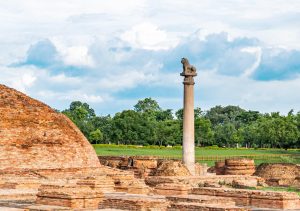
The Stupa of Sariputra features classic Buddhist architectural elements, including a hemispherical dome, a central relic chamber, and ornate stone carvings. Though centuries old, the structure has been maintained carefully, allowing visitors to appreciate its historic design and symbolic elements. Surrounding the main stupa are smaller stupas and prayer spaces, creating a serene environment for spiritual reflection.
Scenic and Serene Surroundings
Nestled amid gentle hills and green landscapes, the stupa offers a peaceful retreat from the urban bustle. The quiet environment encourages meditation, prayer, and reflection. Early mornings bring soft light that illuminates the stupa’s dome, while evenings provide a golden glow, perfect for photography and peaceful contemplation. The natural surroundings enhance the spiritual experience of visiting the site.
Spiritual and Cultural Experience
Visiting the Stupa of Sariputra is not just sightseeing—it is a spiritual journey. Pilgrims perform prayers, meditate, and walk around the stupa in reverence. The site also provides insights into Buddhist practices, rituals, and philosophy, making it educational for travelers interested in history, culture, and spirituality. The stupa serves as a reminder of the timeless wisdom of Buddha and his disciples.
Photography Opportunities
The stupa offers excellent photography opportunities. Wide-angle shots capture the stupa against the backdrop of hills and greenery, while close-ups highlight intricate carvings and architectural details. Sunrise and sunset create dramatic lighting, enhancing the structure’s beauty. The serene surroundings and reflective atmosphere provide a perfect setting for contemplative and scenic photography.
Best Time to Visit
The ideal time to visit the Stupa of Sariputra is from October to March, when the weather is cool and pleasant for sightseeing and walking. Summers can be hot, making outdoor exploration less comfortable. Visiting early morning or late afternoon allows for a quieter experience and better lighting for photography.
Nearby Attractions
While visiting the stupa, travelers can explore other nearby attractions such as Nalanda University Ruins, Ratnaghara, and Nalanda Archaeological Museum. Together, these sites offer a rich journey through Buddhist history, ancient architecture, and spiritual traditions in Bihar.
Travel Tips
- Dress modestly, covering shoulders and knees
- Maintain silence and respect around the stupa
- Carry water, sun protection, and light snacks
- Hire a local guide to understand the historical and spiritual context
- Visit early morning for peace and optimal photography
Conclusion: A Tribute to Wisdom
The Stupa of Sariputra is more than a monument; it is a tribute to one of Buddhism’s greatest disciples. Its serene surroundings, historical significance, and architectural elegance make it a must-visit destination for pilgrims and travelers exploring Bihar. Visiting the stupa provides a unique opportunity to experience the spiritual and cultural heritage of ancient India while reflecting on the timeless wisdom of Sariputra and Buddha.