In Ahmedabad Explore this destination
Sarkhej Roza is a historic architectural complex located on the outskirts of Ahmedabad, Gujarat. Often described as an architectural marvel, it blends Islamic and Indian styles, featuring mosques, tombs, gardens, and water structures. Visitors can expect a serene atmosphere, stunning monuments, and insights into Gujarat’s medieval history. The site is ideal for history enthusiasts, architecture lovers, and travelers seeking cultural exploration.
Location and Accessibility
Sarkhej Roza is located about 8 km from Ahmedabad city center. Visitors can reach it by car, taxi, or local buses. Signboards guide travelers to the entrance, and there is parking available for vehicles.
The site is spread across a large area, with pathways connecting mosques, tombs, and gardens. Walking shoes are recommended to comfortably explore the complex.
Historical Significance
Sarkhej Roza dates back to the 15th century, commissioned by Sultan Ahmed Shah and completed by Mahmud Begada. Visitors can expect to learn about its significance as a religious, political, and cultural center during the Gujarat Sultanate.
The site houses tombs of saints and rulers, including Ahmed Khattu Ganj Baksh, making it an important pilgrimage and historical site. Informational plaques provide context about the complex’s history and architectural details.
Architecture and Layout
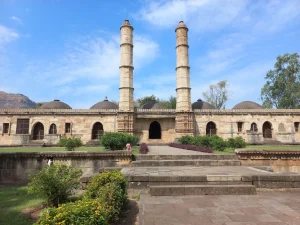
The complex is an impressive example of Indo-Islamic architecture. Visitors can admire carved pillars, arches, domes, and intricate lattice work. The layout includes a mosque, tombs, step wells, and ornamental water tanks.
The central mosque features elegant arches and a large prayer hall, while tombs showcase detailed stone carvings. Gardens and courtyards provide space for reflection and photography.
Activities and Experiences
Visitors can walk through the complex, exploring mosques, tombs, and water features. Photography is popular, with opportunities to capture symmetry, detailed carvings, and scenic surroundings.
The quiet courtyards encourage peaceful walks, meditation, or simply enjoying the historic atmosphere. Guided tours or local guides can provide a deeper understanding of the monuments and their significance.
Best Time to Visit
The best time to visit Sarkhej Roza is between October and March, when the weather is pleasant and comfortable for walking. Early mornings offer calm surroundings and softer light for photography.
Weekdays are less crowded, allowing for a more relaxed exploration. Avoid visiting during the peak summer months, as temperatures can be high.
Facilities and Visitor Tips
Facilities at Sarkhej Roza include parking, restrooms, and seating areas in certain sections. Visitors should wear comfortable shoes and modest clothing.
Photography is allowed in most areas, but respect the sanctity of tombs and prayer spaces. Carry water and sunscreen, especially when exploring the open courtyards.
Cultural and Educational Experience
Visiting Sarkhej Roza provides insights into Gujarat’s medieval history, architectural heritage, and religious traditions. Observing the intricate carvings, arches, and water structures demonstrates the skill of artisans from that era. Engaging with local guides adds cultural and historical context to the visit.
Conclusion
Sarkhej Roza offers a rich blend of history, architecture, and culture. Visitors can expect stunning monuments, peaceful gardens, detailed carvings, and a serene environment. It is ideal for families, history enthusiasts, and travelers seeking both cultural immersion and aesthetic pleasure. A visit to Sarkhej Roza provides education, inspiration, and a memorable glimpse into Gujarat’s glorious past.