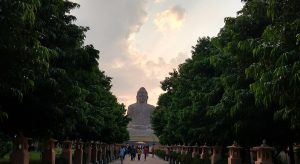
In Bhagalpur Explore this destination
Introduction: A Place of Deep Spiritual Roots
The Champapur Digambar Jain Mandir, located in Bhagalpur district, Bihar, is one of the most sacred pilgrimage sites for followers of Jainism. Champapur, also known as Champapuri, holds immense religious importance as the birthplace of Lord Vasupujya, the 12th Tirthankara of Jainism. Surrounded by peaceful landscapes and ancient traditions, this holy town attracts devotees and heritage travelers seeking spiritual depth and historical insight.
Historical Importance of Champapur
Champapur’s significance dates back to ancient times, when it served as a prosperous city during the reign of several dynasties. Jain texts describe Champapur as a major religious and cultural center where Lord Vasupujya attained enlightenment. Because of this, the town became a focal point for Jain pilgrimage and learning. Over centuries, kings and devotees contributed to the construction and preservation of temples, ensuring the continuity of Jain traditions.
Architecture of the Digambar Jain Mandir
The Digambar Jain Mandir at Champapur reflects traditional Jain architectural style with its clean lines, symmetrical design, and spiritual simplicity. Built primarily with white stone and marble, the temple creates a serene and pure atmosphere. The main sanctum houses a beautifully carved idol of Lord Vasupujya, seated in a meditative posture.
The temple complex also includes smaller shrines, prayer halls, and open courtyards. These spaces allow devotees to perform rituals, meditate, and participate in religious gatherings. The architecture avoids excessive ornamentation, staying true to Jain values of restraint and discipline.
Religious Practices and Rituals
Daily prayers, known as puja, take place in the temple under the guidance of Jain priests. Devotees chant mantras, offer flowers, and observe silence as a mark of respect. Special ceremonies occur during Jain festivals such as Mahavir Jayanti and Vasupujya Jayanti, drawing pilgrims from different parts of India.
The temple promotes values such as non-violence (Ahimsa), truth, and self-control. Visitors often find the calm environment ideal for introspection and spiritual reflection.
Peaceful Surroundings and Atmosphere
One of the most striking aspects of Champapur Digambar Jain Mandir is its peaceful setting. The temple is surrounded by greenery and open spaces, away from heavy traffic and city noise. The quiet environment enhances the spiritual experience, allowing visitors to connect deeply with Jain philosophy.
Morning hours are especially tranquil, as soft sunlight illuminates the temple complex. The atmosphere encourages slow exploration and mindful observation.
Cultural Significance
Champapur remains an important cultural center for Jain communities. Educational activities, religious discourses, and community events often take place within the temple premises. These gatherings help preserve Jain teachings and pass them on to future generations.
Visitors interested in Indian spirituality and ancient philosophies will find Champapur enriching. The town offers a glimpse into Jain traditions that have remained largely unchanged for centuries.
Best Time to Visit
The best time to visit Champapur Digambar Jain Mandir is from October to March, when the weather is comfortable. Summers can be hot, while monsoons may disrupt travel. Visiting during Jain festivals allows travelers to witness vibrant rituals and community celebrations.
Travel Tips
- Maintain silence inside temple premises
- Wear modest and simple clothing
- Remove footwear before entering
- Avoid photography unless permitted
- Respect Jain customs and rituals
Conclusion: A Journey into Jain Spirituality
The Champapur Digambar Jain Mandir stands as a powerful symbol of faith, discipline, and spiritual wisdom. Its historical significance, serene architecture, and sacred legacy make it an essential destination for anyone exploring Bihar’s religious attractions. Visiting Champapur offers not just a sightseeing experience, but a meaningful journey into the heart of Jain philosophy and devotion.