In Gaya Explore this destination
Introduction: Spiritual Heart of Gaya
Gaya Pind Daan, located in Gaya, Bihar, is one of the most revered pilgrimage destinations in India. Known for its rituals of Pind Daan, it holds immense religious significance for Hindus. Pilgrims from across the country visit this sacred site to perform rites for the departed souls of their ancestors, believing it ensures peace and liberation for the departed spirits.
Historical and Religious Significance
Gaya has been a spiritual hub for centuries, mentioned in ancient Hindu scriptures such as the Puranas. The Pind Daan ritual is considered essential for attaining moksha (liberation of the soul). According to legend, Lord Rama performed Pind Daan at Gaya for his father, setting a precedent for generations of devotees. The rituals are conducted by priests in specific ghats along the Phalgu River, following traditional procedures passed down through generations.
Scenic Surroundings
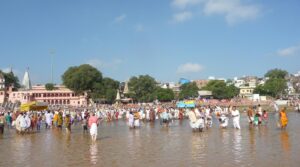
The site is situated along the banks of the Phalgu River, providing a tranquil backdrop for spiritual practices. The river, sacred in Hinduism, flows calmly, adding serenity to the rituals. Surrounding greenery, open spaces, and temples enhance the spiritual atmosphere, creating a peaceful environment for meditation, prayer, and reflection.
Rituals and Cultural Practices
Pind Daan involves offering rice balls, sesame seeds, and prayers for departed ancestors. The priests guide pilgrims through the rituals, ensuring proper observance according to religious customs. Visitors often participate in Ganga water offerings, prayers, and ceremonial rites, connecting deeply with spiritual traditions. Festivals like Pitrapaksha Mela attract thousands of devotees, making it a vibrant and culturally rich experience.
Nearby Attractions
Besides Pind Daan, Gaya offers several nearby attractions. Vishnupad Temple, dedicated to Lord Vishnu, is an architectural marvel and spiritual site. Bodh Gaya, where Lord Buddha attained enlightenment, is just a short drive away, offering a unique blend of Hindu and Buddhist experiences. Exploring these sites provides a holistic cultural and spiritual journey.
Photography Opportunities
While sacred rituals require respectful observation, the surroundings offer excellent photography opportunities. The Phalgu River, temples, and ghats create picturesque landscapes. Festivals like Pitrapaksha Mela add vibrant colors, traditional attire, and ceremonies, offering unique moments for photography. Early mornings provide soft light and peaceful scenes, ideal for capturing the serene ambiance.
Best Time to Visit
The best time to visit Gaya Pind Daan is from October to March, when the weather is cool and comfortable for performing rituals and exploring the area. Pitrapaksha Mela, held in September-October, is a special time to witness large-scale rituals, though it may be crowded. Avoid monsoon months as heavy rains can affect river access and travel comfort.
Travel Tips
- Dress modestly and respectfully when visiting temples and ghats
- Follow the guidance of priests for performing Pind Daan rituals
- Carry essentials like water, light snacks, and sun protection
- Maintain silence and decorum during rituals
- Respect local customs and traditions
Conclusion: A Spiritual Pilgrimage
Gaya Pind Daan is more than a religious ritual site; it is a spiritual journey connecting pilgrims to their ancestors and divine traditions. With its serene riverbanks, sacred temples, and cultural significance, it provides a meaningful and reflective experience for visitors. Performing or observing the Pind Daan rituals allows travelers to engage with India’s rich spiritual heritage, making Gaya a must-visit destination for devotion, reflection, and cultural immersion.