In Bhagalpur Explore this destination
Introduction: An Overlooked Heritage Site
The Colganj Rock Cut Temple, located in the Bhagalpur district of Bihar, is one of the most fascinating yet lesser-known historical attractions in the state. Carved directly into massive granite rocks along the banks of the Ganga River, this ancient site reflects Bihar’s rich spiritual and architectural heritage. While many travelers visit well-known temples and ruins, Colganj quietly preserves stories of devotion, craftsmanship, and centuries-old religious practices.
Historical Background
The Colganj Rock Cut Temple dates back to the Gupta period, making it more than 1,500 years old. Historians believe that the site was once an important center of Shaivism, dedicated to Lord Shiva. During ancient times, rock-cut architecture symbolized permanence and devotion, as carving temples from stone required immense effort and skill. The creators of this temple chose granite rock, which has helped the structure survive centuries of weather and erosion.
Architectural Significance
The temple stands as a fine example of early rock-cut architecture in eastern India. Unlike freestanding temples, this shrine is carved directly into a rocky hill, creating a natural cave-like structure. Inside, visitors can see a Shiva Lingam, placed at the heart of the temple. The carvings may appear simple, but they display remarkable precision and balance.
The entrance and inner chambers show clear planning and symmetry. Though time has softened many details, the craftsmanship still speaks of the artisans’ dedication. The temple’s design focuses on spiritual function rather than decoration, which reflects the religious values of that era.
Religious Importance
For devotees of Lord Shiva, the Colganj Rock Cut Temple holds deep spiritual meaning. Local villagers continue to visit the shrine regularly, especially during Shravan month and Mahashivratri. The quiet surroundings and natural rock setting create a peaceful atmosphere for prayer and meditation. Unlike crowded pilgrimage centers, this temple allows visitors to experience devotion in silence and simplicity.
Natural Surroundings and Scenic Beauty
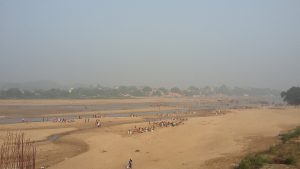
One of the most appealing aspects of the Colganj Rock Cut Temple is its natural setting. The temple overlooks the Ganga River, offering scenic views and fresh air. The rocky landscape, river breeze, and greenery combine to create a calming environment. Early mornings and evenings are especially beautiful, as sunlight reflects off the river and rocks.
Nature lovers and photographers will appreciate the contrast between ancient stone carvings and the flowing river. The area also attracts those seeking quiet moments away from busy tourist spots.
Cultural Experience
Visiting Colganj provides insight into local culture and rural life in Bihar. The temple remains a part of everyday life for nearby communities. Small rituals, offerings, and seasonal festivals keep ancient traditions alive. Interacting with locals helps travelers understand the temple’s continued relevance beyond its historical value.
Best Time to Visit
The ideal time to visit the Colganj Rock Cut Temple is between October and March, when the weather remains pleasant. Summers can be hot, while monsoon months may make the rocky paths slippery. Visiting early in the morning allows for peaceful exploration and better lighting for photography.
Travel Tips
- Wear comfortable footwear for rocky terrain
- Dress modestly, as it is an active religious site
- Carry drinking water and sun protection
- Avoid touching carvings to preserve the structure
- Combine your visit with nearby attractions in Bhagalpur
Conclusion: A Quiet Testament to History
The Colganj Rock Cut Temple may not appear on every travel itinerary, but it deserves attention for its historical depth, spiritual value, and natural beauty. It stands as a reminder of ancient devotion carved into stone and preserved by time. For travelers exploring Bihar’s attractions, this hidden gem offers a meaningful and enriching experience away from crowds.