In Gaya Explore this destination
Introduction: A Pilgrimage of Faith
Pind Daan Gaya is a sacred ritual site in Gaya, Bihar, drawing pilgrims from across India and abroad. It is a revered destination for performing Pind Daan, a Hindu ritual believed to provide peace to the souls of departed ancestors. This ancient practice is considered essential for spiritual liberation and connects visitors deeply with cultural and religious traditions.
Religious and Historical Importance
Gaya holds a prominent place in Hindu mythology and scriptures. Legends state that Lord Rama performed Pind Daan here for his father King Dasharatha, establishing the tradition. Pind Daan involves offering rice balls (pindas) and prayers to ancestors, accompanied by rituals guided by priests. Over centuries, this site has become a hub of faith, attracting thousands of devotees seeking spiritual solace and blessings for their family lineage.
The Ghats and Ritual Spaces
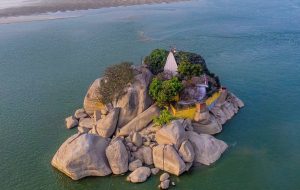
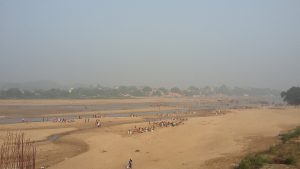
The Pind Daan rituals are performed along the Phalgu River, at ghats specifically designated for ancestral rites. Vishnupad Temple, near the river, is a major landmark where pilgrims begin their journey. The ghats are lined with priests and ritual spaces, offering guidance and ceremonial materials. The sacred river and surrounding temples create a spiritual ambiance, encouraging reflection and devotion.
Scenic and Spiritual Ambiance
The serene Phalgu River enhances the sacred experience, with calm waters reflecting the white temples and ghats. Early mornings are particularly tranquil, with soft light illuminating the ghats and river, making it ideal for meditation and prayer. The blend of architecture, river, and greenery creates a peaceful environment for both pilgrims and travelers.
Festivals and Community Events
Pitrapaksha Mela, held in September–October, is the peak time for Pind Daan ceremonies. During this period, thousands of devotees gather, creating a vibrant and spiritually charged atmosphere. Observing the rituals offers insight into Indian religious traditions and the communal reverence for ancestors. Outside the festival season, the ghats are quieter, allowing for a more reflective and personal spiritual experience.
Photography and Exploration
Photography is best suited for the surrounding landscapes, temples, and ghats, as ritual areas require respect and discretion. Sunrise and sunset provide stunning reflections on the Phalgu River, while the architecture of Vishnupad Temple adds striking elements to the frame. Capturing pilgrims respectfully, with permission, can also provide culturally rich imagery.
Nearby Attractions
Visitors to Pind Daan Gaya can explore Bodh Gaya, the site of Buddha’s enlightenment, and other local temples, creating a spiritual and cultural itinerary. Nearby markets offer local handicrafts, sweets, and souvenirs, adding a touch of local flavor to the journey. This combination of spirituality and local culture enriches the travel experience.
Best Time to Visit
The ideal time to visit Pind Daan Gaya is from October to March, when the weather is comfortable for rituals and sightseeing. Visiting during Pitrapaksha Mela provides an authentic festival experience but can be crowded. Monsoon months are less ideal due to slippery ghats and heavy river flow.
Travel Tips
- Dress modestly and respectfully for rituals
- Follow priests’ guidance for performing Pind Daan
- Carry water and light snacks
- Maintain silence and decorum at ritual sites
- Respect local customs and religious practices
Conclusion: A Spiritual Legacy
Pind Daan Gaya is not just a ritual site; it is a living tradition that honors ancestors and preserves faith across generations. Its serene ghats, sacred temples, and spiritual significance make it a must-visit destination in Bihar. Performing or witnessing Pind Daan allows visitors to experience devotion, cultural heritage, and the deep-rooted Indian belief in ancestral reverence. A journey to Pind Daan Gaya is truly a journey of faith, reflection, and connection to timeless traditions.