In Nalanda Explore this destination
Introduction: India’s Ancient Center of Education
The Nalanda University Ruins, located near Rajgir in Bihar, are a remarkable testament to ancient India’s educational and architectural brilliance. Once one of the world’s earliest residential universities, Nalanda attracted scholars from across Asia, including China, Korea, and Tibet. Visiting these ruins is like stepping back in time to witness the intellectual and spiritual hub of ancient India.
Historical Significance
Nalanda University flourished between the 5th and 12th centuries CE and was renowned for subjects like Buddhist philosophy, logic, grammar, medicine, and mathematics. The university’s library, known as Dharmaganja, housed thousands of manuscripts, making it a center of knowledge and culture. Sadly, Nalanda was destroyed in the 12th century by invading forces, but the ruins still reflect the grandeur and scale of this ancient institution.
Architecture and Layout
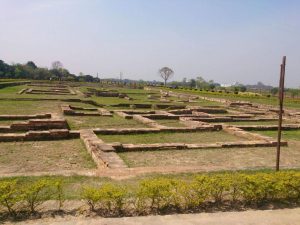
The ruins showcase impressive brick structures, monasteries, temples, and lecture halls. Excavations reveal multi-storied buildings, courtyards, and meditation halls. Visitors can explore stupas, prayer halls, and the remains of libraries, each telling stories of scholarly debates and spiritual practices. The intricate brickwork and layout highlight the architectural ingenuity of ancient Indian builders.
Scenic Surroundings
Set amidst the Rajgir hills and lush greenery, the Nalanda ruins are surrounded by a serene natural landscape. The hills provide a tranquil backdrop, while open courtyards and ancient pathways allow visitors to explore at their own pace. The peaceful environment encourages reflection on the lives of scholars who once studied and meditated here.
Cultural and Spiritual Experience
Visiting Nalanda is not just a historical journey but also a cultural and spiritual experience. The university was closely associated with Buddhism, and the presence of stupas and monasteries reflects its spiritual significance. Travelers can imagine monks walking the courtyards, teaching, studying, and practicing meditation. The site continues to inspire intellectual curiosity and spiritual reflection.
Photography Opportunities
Nalanda offers excellent opportunities for architectural and landscape photography. Wide-angle shots capture the ruins against the backdrop of hills, while close-ups reveal brickwork details, carvings, and structural patterns. Early morning light enhances textures and shadows, making photographs visually striking. The blend of history, architecture, and nature ensures diverse photographic opportunities.
Best Time to Visit
The ideal time to visit Nalanda University Ruins is from October to March, when the weather is pleasant for walking and exploring. Summer months can be hot and exhausting, while monsoon rains may make some pathways muddy. Early morning visits provide fewer crowds and ideal lighting for photography.
Nearby Attractions
Nalanda is surrounded by several attractions, including Rajgir, Griddhakuta Hill, and Nalanda Archaeological Museum. Travelers can combine these destinations for a full day of history, culture, and spirituality. Together, they provide a comprehensive glimpse into Bihar’s ancient heritage and Buddhist legacy.
Travel Tips
- Wear comfortable walking shoes for uneven paths
- Carry water, sun protection, and light snacks
- Hire a guide to fully understand the historical and spiritual significance
- Maintain respect and avoid touching delicate structures
- Visit early morning or late afternoon for a peaceful experience
Conclusion: A Journey Through Time
The Nalanda University Ruins are a remarkable window into ancient India’s intellectual and spiritual history. Exploring these ruins allows visitors to witness the scale, vision, and knowledge of a civilization that valued learning and enlightenment. A visit to Nalanda is not just educational but profoundly inspiring, offering travelers a chance to connect with India’s rich heritage of scholarship and spirituality.