In Meghalaya Explore this destination
Nohkalikai Falls, Cherrapunji: Height, Best Time to Visit and Travel Tips
Introduction
If you visit Cherrapunji (Sohra), Nohkalikai Falls is one of the must-sees that you should consider including in your itinerary. While it may appear to be just another waterfall viewpoint from a distance, the sheer height of the falls makes for a striking sight, and the green hills and valley provide a lovely location for the waterfall. The actual visit to the viewpoint itself will be a breeze but the weather and season could make or break your day. In this guide, we’ll cover everything that you need to know about the falls, the best time and ways to see them, and some helpful travel tips.
About Nohkalikai Falls
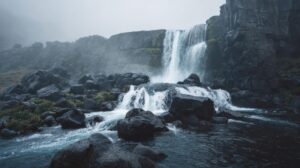
Nohkalikai Falls is located near Cherrapunji (Sohra) in the East Khasi Hills region of Meghalaya. The waterfall is considered India’s tallest plunge waterfall with a height of around 340 metres.
The falls have a dramatic drop from a high cliff into a plunge pool below, and this water can appear to be green or turquoise depending on the lighting, weather and water conditions. The flow rate can be affected by the amount of rain as well, with reduced flows in the drier months and the most impressive displays during the rainy season. The pools and cascades are surrounded by lush greenery, and the falls have a unique place in local Khasi folklore.
The Legend Behind Nohkalikai Falls
The name Nohkalikai is derived from local Khasi folklore surrounding this waterfall. There are various interpretations of the legend, and the version you hear may vary depending on who is telling it, but most centre around a female character named Likai who tragically jumped off this cliff.
How to Reach Nohkalikai Falls Viewpoint
As for how to get to Nohkalikai Falls, the main viewpoint is a road trip away from Cherrapunji. This means that it’s a convenient detour on a Cherrapunji sightseeing circuit.
- From Cherrapunji (Sohra): The viewpoint is generally around 5-7 km away from the main town depending on your accommodation.
- From Shillong: This is a longer drive, with distances averaging 54-56 km and a driving time of 2 hours with no traffic and ideal road conditions.
- Transport: You can reach the viewpoint via private car or by hiring a local taxi.
- Walking: There’s generally no need to trek to the viewpoint (rather than a short walk from the parking area).
Travel times and distances can be affected by weather conditions and the number of traffic jams, which can appear almost anywhere in Meghalaya with sudden rainfall. If you plan to visit multiple attractions in a single day, it’s best to build in extra time in your itinerary to allow for unexpected delays.
What Can You See at Nohkalikai Falls?
The towering falls with their dramatic plunge over the cliff into the valley below are the star attraction, but the surrounding valley is also worth seeing. This viewpoint is ideal for sightseeing anytime the weather allows for good visibility, but it’s a great place to see the local flora and fauna regardless of the season or amount of water flowing down the falls.
- The falls themselves: Waterfalls plunging down a steep cliff, a striking sight to behold, especially after rainfall.
- The valley: The beautiful green fields and deep valleys around the viewpoint.
- The plunge pool: A large pool of water at the base of the falls which can appear green or turquoise depending on the conditions.
- Local stalls: You may find small local stalls selling various snacks, souvenirs and other local goods around the visitor area.
You may be able to hear the falls long before you can see them if the conditions are right, especially if the flow of water is particularly strong. Clear days are also ideal for taking pictures of the falls and the valley around them.
How Crowded Does Nohkalikai Falls Get?
Visitor numbers vary depending on the time of year and local weather patterns. The days of the week also affect visitor numbers, with many local tour groups preferring weekdays for day trips.
- Weekdays: Visiting during a weekday is a good idea if you want to avoid crowds.
- Monsoon: More people tend to visit the falls during the rainy season to witness the impressive displays of water, but heavy rainfall reduces visibility.
- Winter and drier months: Fewer visitors tend to come during these periods, but the flow of water reduces as well.
- Weekends and holidays: Expect to see more visitors on these days.
If you prefer to avoid crowds, it’s best to visit the viewpoint early on in your day. However, it’s important to keep in mind that the weather conditions can change quickly, and there is no time of day that guarantees good visibility.
Nohkalikai Falls Timings
The viewpoint is generally open to visitors at any time during daylight hours, but it’s best to double-check the local timings before your visit.
Visiting in the late morning or afternoon can often be ideal, depending on your visibility. During the monsoon season, it’s a good idea to keep an eye on the weather forecast as mist and rain can obscure your vision of the falls.
Best Time to Visit Nohkalikai Falls
The best time to visit Nohkalikai Falls depends on what you want to see. If you’re hoping to catch a glimpse of powerful waterfall displays, the rainy season is the best time to go. If you’re hoping to see the falls with good visibility and take pictures, it’s best to avoid the misty and rainy periods.
- June to September: The rainy season means that water flows down the falls with more power, but there are more chances of reduced visibility due to mist and rain.
- October to December: Fewer chances of rain and increased visibility after the monsoon season.
- March to May: This period provides great conditions for sightseeing but reduced water flow down the falls.
- Time of day: Early mornings tend to have more mist which reduces visibility. Double-check the local conditions and time of day before heading out.
If you want to see the falls with the greatest force, the rainy season is a good time to go. If you’re hoping to see the falls with maximum visibility, avoid the rainy season and misty mornings. Neither option is guaranteed to provide excellent conditions.
Important Things to Keep in Mind
- Do not attempt to cross barriers or go near the cliff edge: This is extremely dangerous and should be avoided at all costs. Do not take pictures from risky positions along the edge of the viewpoint.
- Do not attempt to swim in the plunge pool: Remember that this deep pool of water is considerably below the viewpoint and should not be treated as such.
- Come prepared for the weather: Rainfall can appear suddenly, especially during the monsoon season.
- Suitable footwear is a must: The ground can become slippery in wet conditions, so avoid walking around in bare feet.
- Keep some cash on you: Vendors and local shops may not always accept card payments, although this varies from stall to stall.
Visibility is a key concern: Conditions can change suddenly depending on the time of year and day.
A Simple Cherrapunji Sightseeing Plan
As mentioned previously, you can easily fit a visit to the Nohkalikai Falls into a single day of Cherrapunji sightseeing. A simple itinerary could be as follows:
- In the morning: See Mawsmai Cave or another attraction in the area.
- In the late morning or afternoon: Visit the Nohkalikai Falls viewpoint when the weather permits.
- In the later afternoon: See another viewpoint or waterfall if time and weather permit.
- In the evening: Return to Shillong or spend the night in the Cherrapunji area.
If you want to see another waterfall, read our guide to Seven Sisters Falls near Cherrapunji and check if you have sufficient time in your itinerary.
Other Places to Visit Nearby
If you have time after seeing the falls, consider adding one or more of these attractions to a Cherrapunji sightseeing circuit:
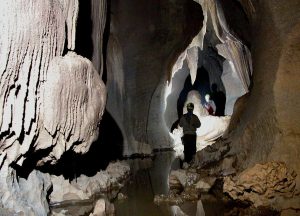
- Mawsmai Cave: A natural cave with a guided tour available for visitors.
- Seven Sisters Falls: A spectacular waterfall which is best seen from a viewpoint above the valley. The flow rate varies depending on the season and local rainfall.
- Double Decker Living Root Bridge: An incredible natural attraction, but it is considerably more difficult to reach than the Nohkalikai Falls viewpoint. Make sure that you have sufficient time in your itinerary as this attraction involves walking up a steep hill with many steps. We do not recommend trying to see this on the same day as the falls.
If you need more general travel advice for Meghalaya, the official Meghalaya Government website . is a good resource to utilise. Make sure to keep weather and road conditions in mind before embarking on any long-distance travel, especially in rainy conditions as roads can become slippery.
Who Should Visit Nohkalikai Falls?
Nohkalikai Falls are best suited for:
- Nature lovers seeking an incredible viewpoint.
- Photography enthusiasts hoping to see a waterfall and valley.
- People hoping to learn the local folklore tied to this landmark.
- Families and groups of friends wanting to visit a waterfall without having to trek for long distances.
- Those looking to see the sights around Cherrapunji and Shillong.
While the main viewpoint is relatively easy to access, it’s important to keep safety in mind when visiting this attraction.
Advantages and Disadvantages
What Makes It Worth Visiting
- A dramatic and striking waterfall plunging down an incredibly high cliff.
- Getting to the viewpoint is a breeze compared to having to trek down to a waterfall.
- An intriguing part of local folklore.
- Beautiful valley scenery to enjoy alongside the falls when the weather permits.
Things to Keep in Mind
- Water flows down the falls with less power during the drier months.
- Reduced visibility can occur due to fog and rainy conditions.
- More visitors tend to come on weekends and holidays.
- Be mindful when walking on slippery ground in wet weather.
Frequently Asked Questions
1. Is Nohkalikai Falls flowing throughout the year?
The waterfall can be seen throughout the year, but the volume of water flowing down it varies depending on the season. It tends to have the most powerful displays of water during the rainy season, and reduced flow during the drier months.
2. Is trekking required to see Nohkalikai Falls?
A long trek is not required to see the falls. As for how to reach the viewpoint, it is a road trip away from Cherrapunji.
3. Is swimming safe at Nohkalikai Falls?
No. Do not attempt to reach or swim in the plunge pool below the waterfall. Instead, enjoy the view of the falls from the designated visitor areas.
4. What is the best time to visit Nohkalikai Falls?
The monsoon season tends to provide the most powerful displays of water at the falls, but it also means that there are more chances of reduced visibility due to mist and rain. Clearer weather tends to be more common during other parts of the year, but it’s important to check the local conditions before visiting as sudden changes in the weather are common in this region.
5. How far is Nohkalikai Falls from Shillong?
It is generally 54-56 km away from Shillong, and takes around 2 hours to drive to with no traffic and ideal road conditions. Actual driving time can be affected by weather and traffic conditions.
6. Can I visit Nohkalikai Falls and Seven Sisters Falls on the same day?
Yes, many people visit both viewpoints on the same day as part of a wider Cherrapunji sightseeing itinerary. Just make sure that you have enough time to drive between the two viewpoints, and remember that weather conditions can cause delays at any time.
Conclusion
Meghalaya’s Nohkalikai Falls is one of the most popular spots for good reason. The falls offer something for everyone with their dizzying height, the expansive valley it falls over and an intriguing backstory to its name. The main attraction is an easy walk from the car park, and it offers spectacular views if you arrive when the weather is clear.
Plan your visit around the type of view you’d like to see and always watch the weather forecast before setting off. Sticking to official observation points will keep you safe, and with a bit of flexibility, Nohkalikai Falls can be the highlight of your Meghalaya adventure!