In East Khasi Hills Explore this destination
Shillong Peak is one of the most well-known viewpoints in Meghalaya and is considered the highest point around Shillong city. Located inside the Shillong Peak Air Force Station area, this place offers a wide and clear view of the city, surrounding hills, and deep valleys. For many travelers, Shillong Peak is about pausing for a moment and seeing the hill station from above rather than rushing through attractions.
The experience here is calm and simple. It is not a place filled with activities, but a spot meant for observation, fresh air, and quiet appreciation of nature.
Location and Accessibility
Shillong Peak is around 10 kilometers from the main city area. The road leading to the viewpoint is smooth and scenic, passing through forested sections and gentle curves. Private vehicles and local taxis can reach the parking area easily.
Because the peak lies within a protected zone, visitors are required to show a valid ID at the entry gate. This process is quick and usually well-managed, but it is something travelers should be prepared for.
What You See from the Top
The main highlight of Shillong Peak is the panoramic view. On a clear day, you can see:
- Large parts of Shillong city
- Rolling green hills stretching into the distance
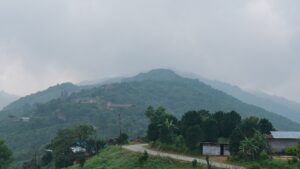
- Valleys covered with forests and clouds
- Distant plains of Bangladesh in very clear weather
The view changes throughout the day. Morning hours feel fresh and bright, while afternoons may bring drifting clouds. When clouds move below the viewpoint, the scenery feels dramatic and peaceful at the same time.
The Experience and Atmosphere
Standing at Shillong Peak feels quiet and open. The wind is cool, and the air feels cleaner compared to the city. Unlike crowded tourist markets, this place encourages slow movement and silence.
Most visitors spend time simply standing at the railing, looking at the landscape, and taking photographs. There are benches where you can sit and enjoy the view without distraction. The overall experience feels reflective rather than exciting.
Best Time to Visit Shillong Peak
The best time to visit Shillong Peak is:
- October to May
During these months, the sky is clearer and the chance of enjoying uninterrupted views is higher. Monsoon season brings heavy clouds and fog, which sometimes blocks visibility. However, even cloudy weather can create a misty and moody atmosphere for those who enjoy quiet surroundings.
Early morning or late afternoon is ideal. Morning offers crisp air, while late afternoon gives softer light and warmer tones for photography.
Facilities and Time Required
Facilities at Shillong Peak are basic but sufficient:
- Parking area
- Viewing platforms with safety railings
- Small stalls selling snacks and tea
There are no large restaurants or shops, so this is not a place for long stays. Most visitors spend 30 to 45 minutes here before moving on to other attractions.
Who Should Visit Shillong Peak
Shillong Peak is suitable for:
- First-time visitors to Shillong
- Photography enthusiasts
- Couples seeking peaceful viewpoints
- Travelers who enjoy scenic observation
Those expecting adventure activities or long walks may find it limited, but for quiet sightseeing, it serves its purpose well.
Important Tips for Visitors
- Carry a valid photo ID
- Check weather conditions before visiting
- Wear light jackets due to cool winds
- Avoid visiting during peak fog hours if visibility matters to you
Overall Impression
Shillong Peak is not about grand structures or intense experiences. Its value lies in perspective. Seeing Shillong from above helps travelers understand the scale, layout, and natural setting of the city. It adds balance to a trip that may otherwise focus only on markets and waterfalls.
Conclusion
Shillong Peak offers a peaceful and scenic break from city exploration. It is easy to reach, simple to experience, and rewarding on clear days. For travelers who enjoy viewpoints and quiet moments in nature, Shillong Peak is a worthwhile stop in Meghalaya.